
The Different Types of Chamomile and Their Unique Benefits
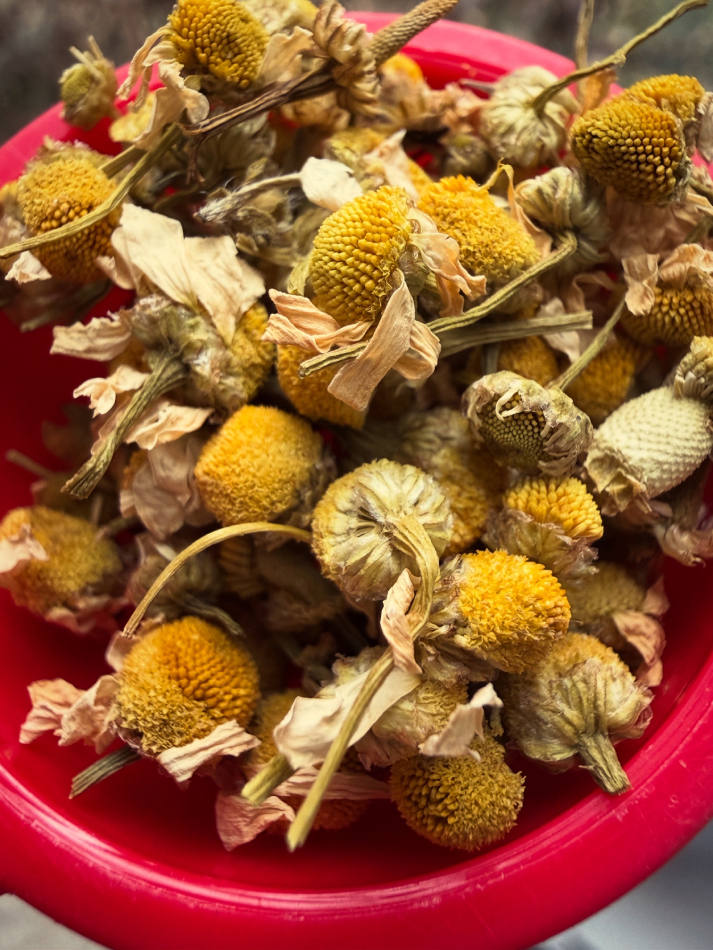 Chamomile is one of the most widely loved herbs in the world, often associated with relaxation, sleep, and gentle digestive support. While many people simply refer to chamomile as a single herb, there are actually several different types, each with its own chemical profile, traditional use, and effects on the body. Understanding the differences between chamomile varieties can help you choose the right one for your specific needs.
The most commonly used chamomile types include German chamomile, Roman chamomile, Egyptian chamomile, and less commonly wild or Moroccan varieties. While all share calming qualities, some are more sedating, some more digestive, and others prized for aroma and rarity.
German Chamomile (Matricaria chamomilla)
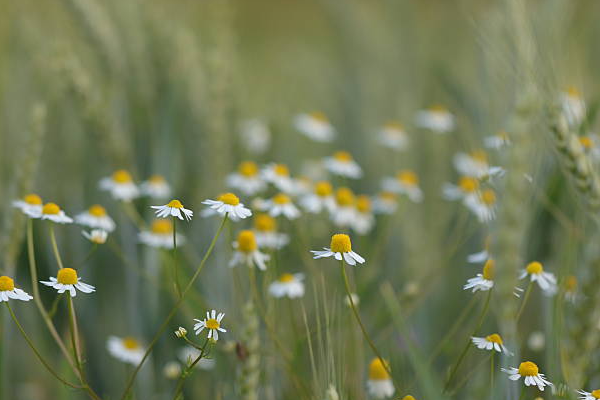
German chamomile is the most widely used and researched form of chamomile. It is the variety most commonly found in tea bags, loose leaf teas, and herbal supplements. German chamomile contains high levels of apigenin, a flavonoid that binds to receptors in the brain associated with relaxation and sleep.
This type of chamomile is known for its strong calming effects on the nervous system. It is often considered the best choice for reducing anxiety, promoting sleep, and calming stress-related tension. Many people find German chamomile to be the most effective chamomile for deep relaxation, especially when used in the evening.
German chamomile is also well known for its digestive benefits. It may help soothe stomach irritation, reduce gas and bloating, and relax the smooth muscles of the digestive tract. Because of its anti-inflammatory compounds, it is often used for gut discomfort associated with stress.
Roman Chamomile (Chamaemelum nobile)
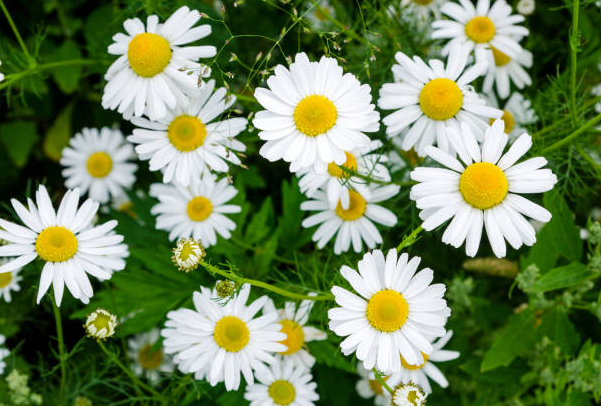
Roman chamomile has a slightly different effect compared to German chamomile. While still calming, it is generally considered gentler and less sedating. Roman chamomile is often used for nervous tension, irritability, and emotional restlessness rather than strong sleep support.
This variety is traditionally used to support digestion, especially in cases of cramping or spasms. It has a mild bitter quality that can stimulate digestive processes while still providing soothing effects. Roman chamomile is often chosen for daytime use when relaxation is desired without drowsiness.
Roman chamomile is also popular in aromatherapy. Its essential oil has a soft, apple-like scent and is commonly used to promote emotional balance and calm without heaviness.
Egyptian Chamomile
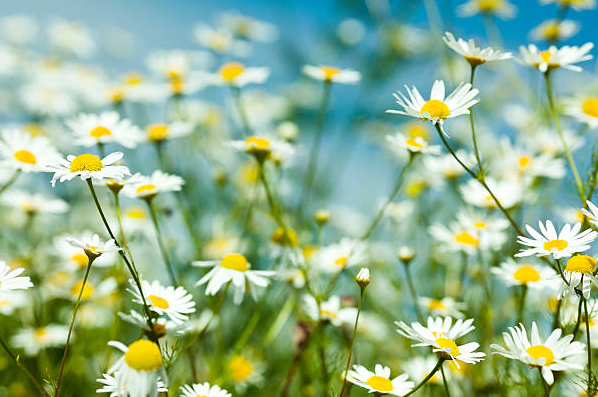
Egyptian chamomile is typically a high-quality form of German chamomile grown in Egypt’s warm, dry climate. It is often prized for its strong aroma, vibrant yellow flowers, and smooth, slightly sweet flavor. Many consider Egyptian chamomile to be one of the most pleasant tasting chamomile varieties.
In terms of effects, Egyptian chamomile is similar to German chamomile and is often used for relaxation, sleep support, and digestive comfort. Some people feel it has a slightly more uplifting quality compared to other German chamomile sources, making it relaxing without feeling overly heavy.
Because of its flavor and aroma, Egyptian chamomile is often preferred for loose leaf teas and herbal blends.
Zloty Lan Chamomile
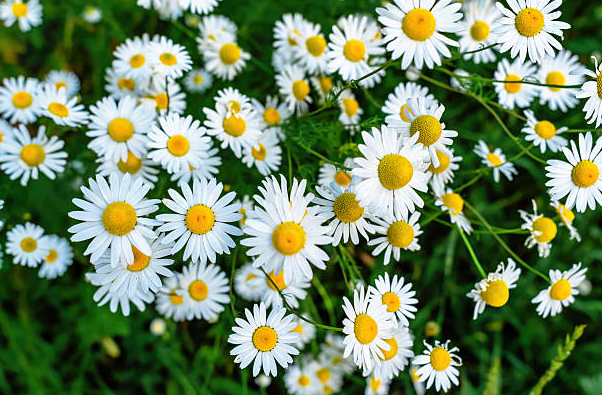
Zloty Lan chamomile is a lesser-known but highly prized variety of chamomile traditionally grown in Poland. The name “Zloty Lan” translates roughly to “Golden Field,” which reflects both its origin and its rich, aromatic flowers. This variety is typically a form of high-quality German chamomile, selected for its elevated essential oil content and strong concentration of calming compounds like apigenin and chamazulene. Because of this, Zloty Lan chamomile is often considered especially effective for relaxation, nervous system support, and soothing tension. Its flavor tends to be fuller and more floral compared to standard chamomile, with a slightly honey-like sweetness. Due to its regional cultivation and selective harvesting, Zloty Lan chamomile can be harder to find outside of specialty herbal suppliers, but many herbalists consider it one of the most potent and therapeutically valuable chamomile varieties available.
Wild and Moroccan Chamomile

Wild chamomile varieties, including Moroccan chamomile, are less commonly found and can vary more widely in chemical composition. Moroccan chamomile, also known as Ormenis multicaulis, is most often used in essential oil form rather than tea.
This type is known for its strong herbal aroma and is traditionally used for nervous system support and muscle relaxation. It may have a slightly more stimulating edge compared to German or Roman chamomile, making it less ideal for sleep but useful for tension and stress relief.
Because wild chamomile varieties are not as widely cultivated, they can be harder to find and are often more expensive or available only through specialty herbal suppliers.
Which Type of Chamomile Is the Most Relaxing?
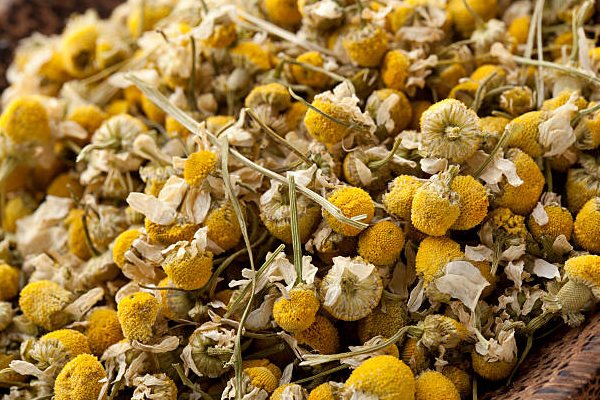
For most people, German chamomile is considered the most relaxing and sleep-promoting variety. Its naturally high apigenin content makes it especially effective for calming the nervous system and supporting deep rest. Zloty Lan chamomile, a carefully selected strain of German chamomile, is often regarded as particularly potent due to its consistently high essential oil and flavonoid content. Egyptian chamomile, which is also a form of German chamomile grown in a specific region, follows closely behind and offers similar calming effects with a slightly smoother, more mellow taste.
Roman chamomile is better suited for gentle daytime relaxation or for those who want calm without pronounced sleepiness. Wild and Moroccan chamomile varieties tend to be more specialized and are often used for targeted nervous system support or muscular tension rather than deep, sleep-focused relaxation.
Which Type Is the Hardest to Find?
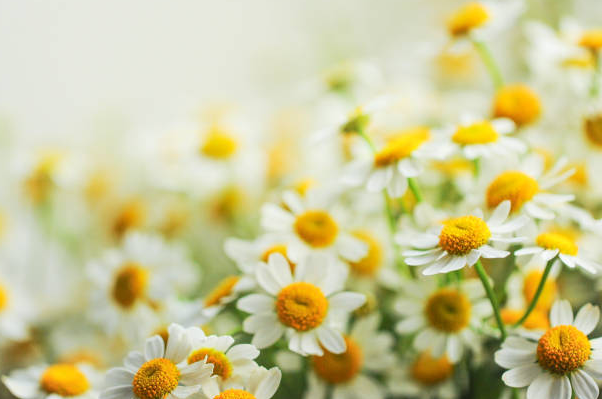
German and Roman chamomile are widely available and easy to find in tea form. Zloty Lan chamomile, which is a premium strain of German chamomile, is typically found through specialty herbal suppliers and loose leaf retailers rather than standard grocery stores. Egyptian chamomile is also common in specialty loose leaf teas but may be less available in conventional supermarkets. Wild and Moroccan chamomile are the hardest to find, especially as whole dried flowers, and are more often encountered as essential oils or in specialized herbal blends.
Choosing the Right Chamomile for You

Choosing the right chamomile depends on your goals. For sleep and anxiety, German or Egyptian chamomile is often best. For gentle digestive support or daytime calm, Roman chamomile may be more appropriate. If you are exploring aromatherapy or deeper herbal work, Moroccan chamomile may offer unique benefits.
While all chamomile types share soothing properties, their subtle differences can make a meaningful impact on how your body responds. Understanding these distinctions allows you to use chamomile more intentionally and effectively as part of a holistic wellness routine.


Leave a Reply