
The Benefits of Parsley Tea for Gallbladder Health
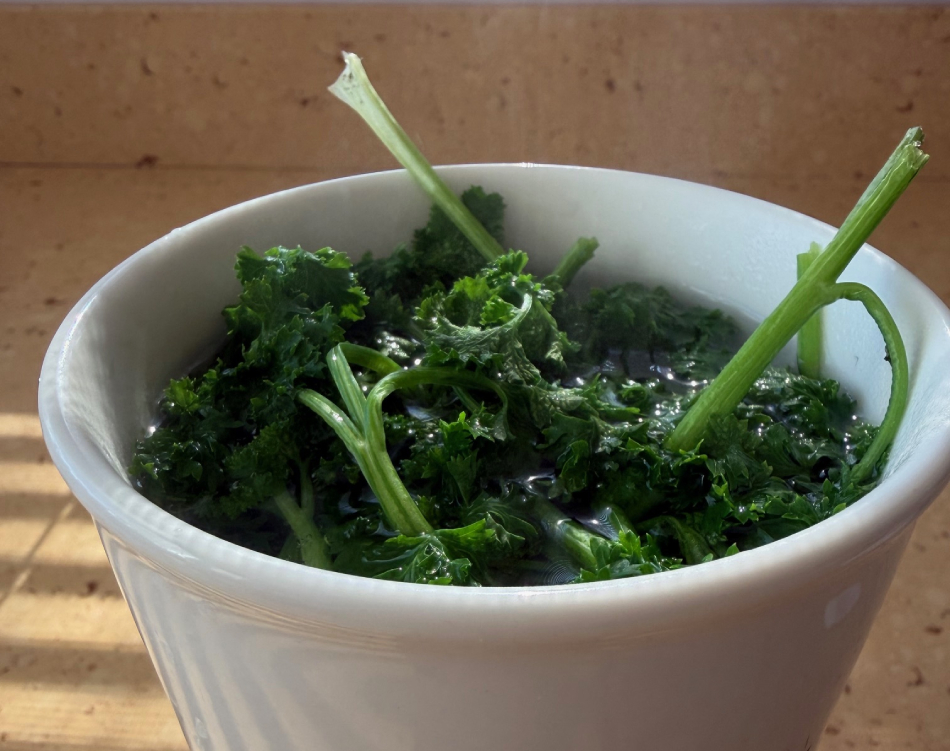 Parsley tea may appear simple, but this vibrant green herb has a long and respected history in traditional wellness systems. Far beyond a plate garnish, parsley has been used for centuries to support digestion, liver function, and gallbladder health. In gentle herbal traditions, parsley tea is often described as a supportive tonic that encourages bile movement without aggressively overstimulating the system.
For people who experience sluggish digestion, discomfort after meals, or sensitivity to stronger bile-moving herbs, parsley tea is often viewed as a mild and approachable option. While it is not a medical treatment for gallstones or gallbladder disease, its traditional use and nutrient profile make it a compelling addition to a digestive wellness routine.
Parsley in Ancient and Traditional Remedies
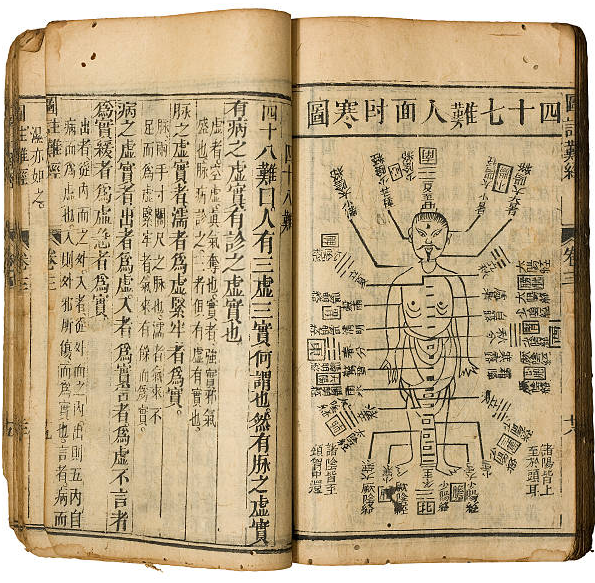
Parsley has been valued in ancient Mediterranean, Middle Eastern, and European herbal traditions for thousands of years. Ancient Greek physicians referenced parsley for its cleansing properties, while Roman herbalists used it to support digestion after heavy meals. In folk medicine, parsley was often prepared as a tea to support the liver and gallbladder, especially during periods of rich food consumption or seasonal dietary changes.
In traditional European herbalism, parsley tea was commonly recommended during fasting or reduced-fat diets. The reasoning was simple. When dietary fat is reduced, bile can become more sluggish. Gentle herbs like parsley were used to encourage bile flow and prevent discomfort without provoking strong contractions.
Traditional Chinese Medicine does not focus heavily on parsley as a primary herb, but it is classified as a warming, aromatic green that supports digestion and fluid movement. In TCM principles, aromatic herbs help move stagnation in the middle burner, which includes the liver and gallbladder systems. Parsley shares similarities with other digestive-supportive greens used to promote the smooth flow of Qi and bile.
How Parsley Tea May Support the Gallbladder
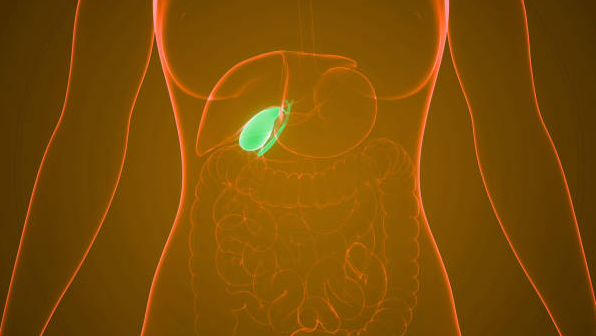
The gallbladder stores bile produced by the liver and releases it into the small intestine to help digest fats. Parsley contains flavonoids such as apigenin, along with chlorophyll, vitamin C, and minerals that may support this process.
Parsley tea has traditionally been described as mildly choleretic, meaning it may encourage bile movement. This gentle stimulation can be helpful for those who experience a sense of heaviness, pressure, or sluggish digestion after meals. Unlike stronger herbs such as dandelion root or artichoke extract, parsley is typically considered mild enough for regular use when prepared properly.
Some herbal traditions also describe parsley as helping reduce spasms and discomfort associated with gallbladder tension. This aligns with its historical use in tea blends designed to soothe digestive cramping and promote comfort.
Parsley Tea and Digestive Benefits Beyond the Gallbladder
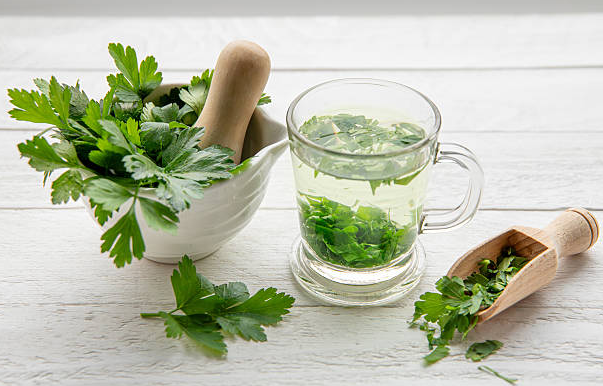
In addition to gallbladder support, parsley tea offers several digestion-focused benefits. Parsley contains natural compounds that may help reduce bloating, support gut motility, and ease mild digestive discomfort. Its aromatic nature can stimulate digestive juices, helping the body better prepare for meals.
Parsley has also been traditionally used to support liver detoxification processes. Herbal literature frequently references its role in encouraging bile release, which supports the body’s natural elimination pathways. Modern wellness discussions often highlight parsley for its antioxidant content and potential role in supporting balanced blood sugar, which indirectly supports liver and gallbladder health.
For individuals who are sensitive to harsh digestive remedies, parsley tea is often considered a gentle way to support digestion without overwhelming the system.
How to Prepare Parsley Tea
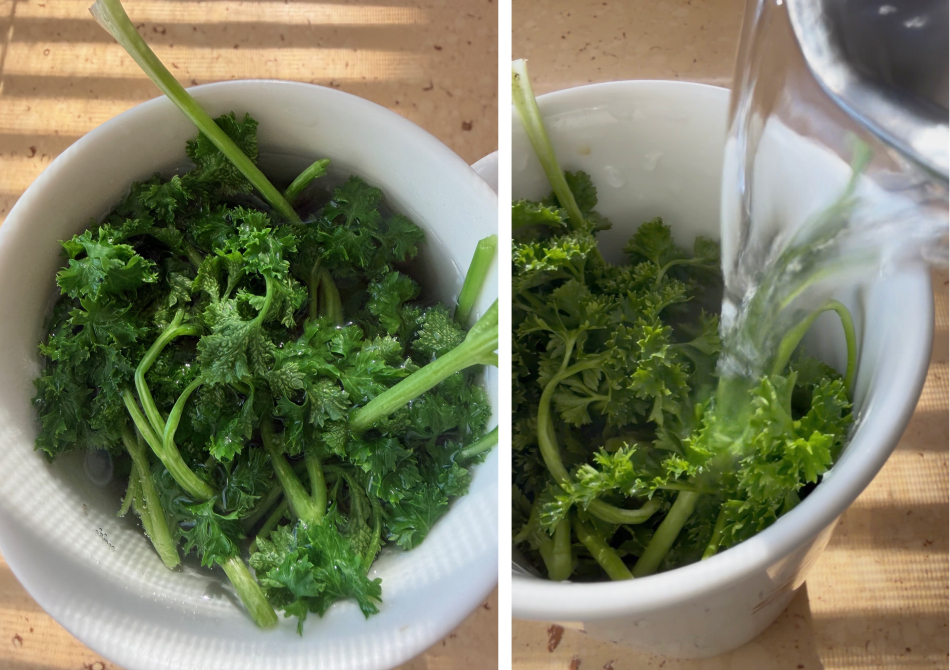
Parsley tea can be prepared using either fresh or dried parsley, though fresh parsley is often preferred for its vibrant flavor and nutrient content.
Basic Fresh Parsley Tea
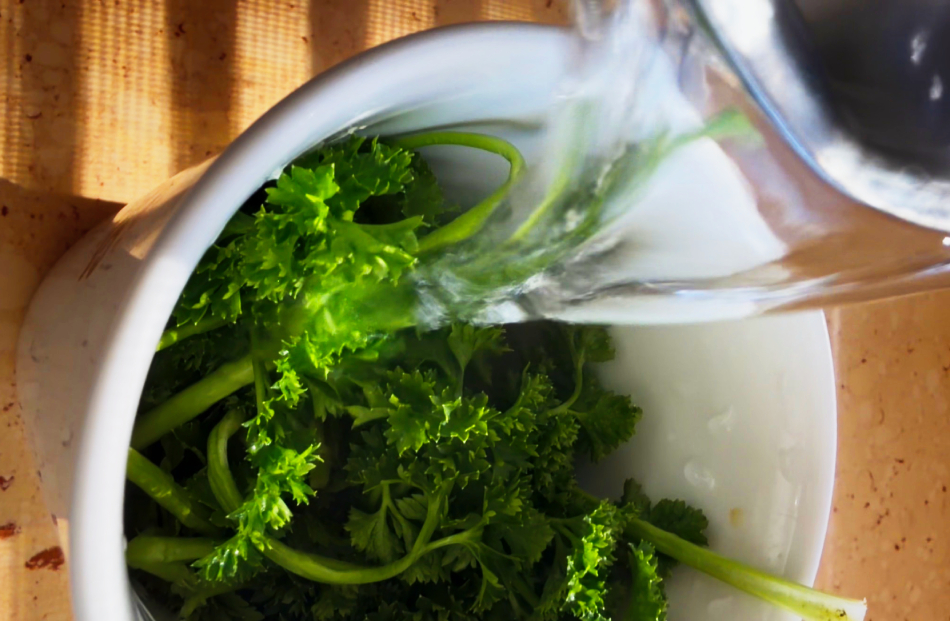
- Bring one cup of water to a gentle boil.
- Add one quarter cup of chopped fresh parsley.
- Remove from heat and cover.
- Steep for five to ten minutes.
- Strain and sip warm.
Parsley tea is best consumed with meals rather than on an empty stomach, especially for those with gallbladder sensitivity.
Parsley and Chamomile Tea Blend
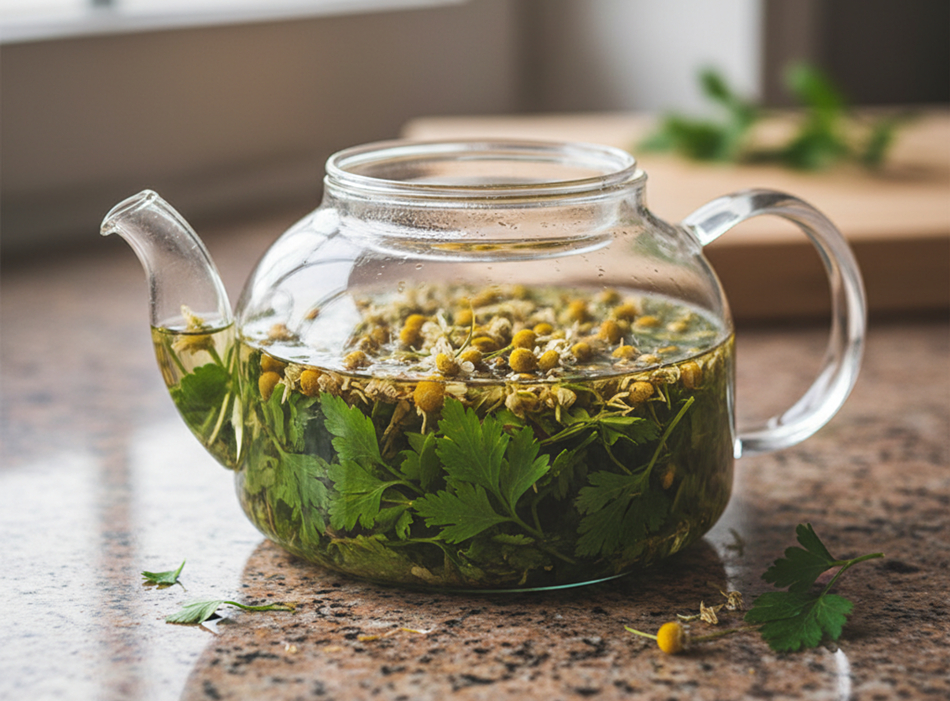
A traditional blend combines parsley with chamomile to support gallbladder comfort. Chamomile adds a calming effect and may help reduce digestive tension. This blend has historically been used during periods of dietary change, fasting, or reduced fat intake.
This tea is often prepared as a larger batch and sipped throughout the day. It is traditionally recommended to continue drinking the tea for one to two days after digestive discomfort subsides to support bile movement and elimination.
Other Potential Benefits of Parsley Tea

Parsley is rich in vitamins A, C, and K, along with minerals such as potassium and iron. Its antioxidant and flavonoid content has been studied for potential anti-inflammatory and cellular protective effects. These properties may indirectly support liver and gallbladder health by reducing oxidative stress.
Parsley tea is also traditionally described as mildly diuretic, which may support fluid balance. This effect is gentle and usually well tolerated when consumed in moderate amounts.
Important Considerations and Warnings

Parsley is naturally higher in oxalates. Individuals who are prone to kidney stones or who follow a low-oxalate diet may wish to limit intake or consult a healthcare professional before consuming parsley tea regularly.
Parsley tea should be consumed in moderate amounts. Concentrated or excessive intake is not recommended. Avoid if pregnant. As with any herbal remedy, listening to your body and starting with small amounts is key.
Final Thoughts
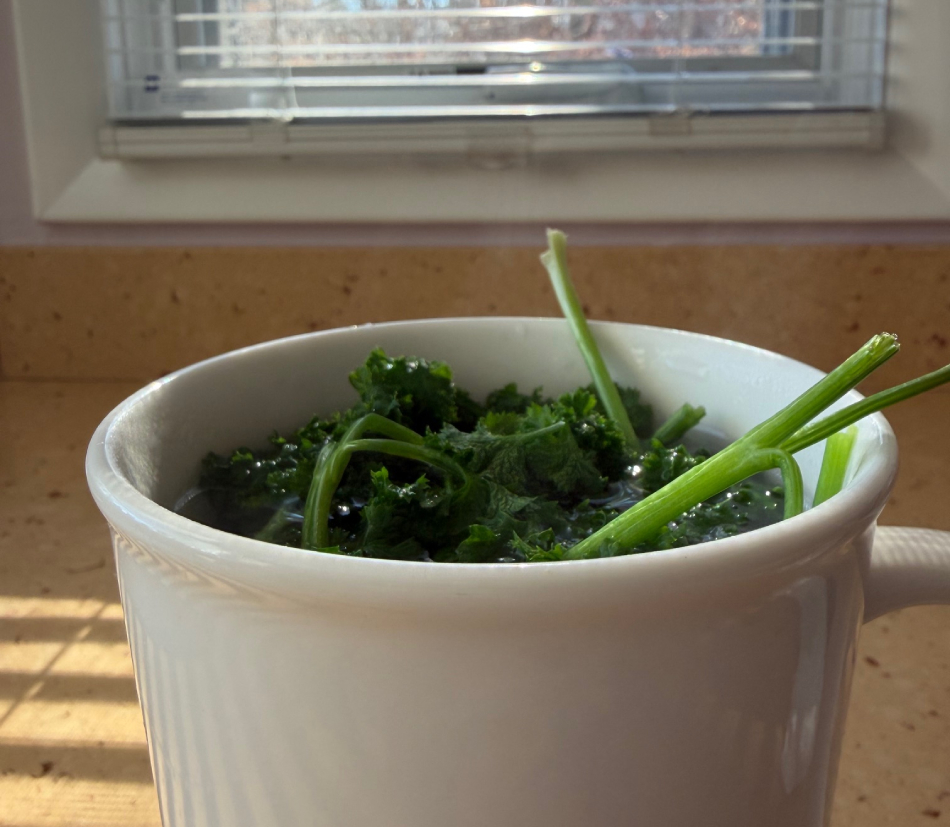
Parsley tea offers a gentle and traditional approach to supporting gallbladder and digestive health. Rooted in ancient remedies and supported by modern nutritional insights, it remains a simple yet meaningful option for those seeking mild digestive support. When prepared thoughtfully and consumed in moderation, parsley tea can be a nourishing addition to a gallbladder-friendly wellness routine.
For further reading, explore these resources:
Parsley and its flavonoid content,
Health benefits of parsley,
Traditional and modern uses of parsley.


Leave a Reply