
The Bean Protocol for Gallbladder Health, According to Karen Hurd
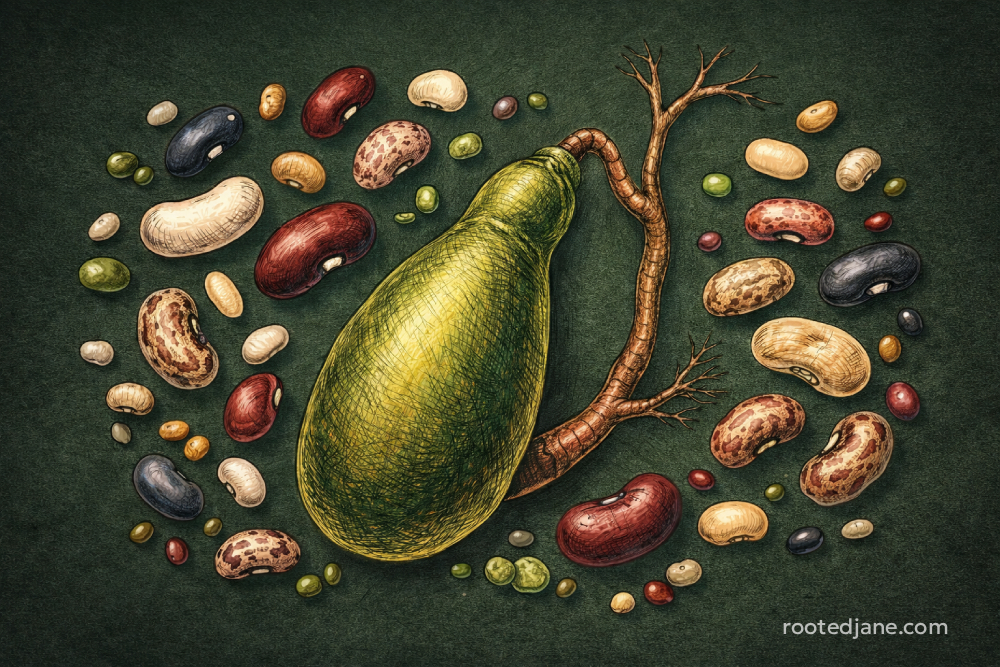 The bean protocol for gallbladder health, according to Karen Hurd, is a dietary approach focused on improving bile flow, reducing bile recycling, and supporting liver and gallbladder function through the strategic use of soluble fiber. Popularized by Karen Hurd, this protocol emphasizes the role of beans and psyllium husk in binding bile acids, improving fat digestion, supporting detoxification, and reducing the reabsorption of metabolic waste and hormones that can contribute to gallbladder congestion and systemic symptoms.
Gallbladder health is often overlooked until symptoms show up. Bloating, nausea after meals, poor fat digestion, hormone imbalances, and sluggish detox pathways can all trace back to the gallbladder, a small but powerful organ responsible for storing and concentrating bile. When bile flow becomes sluggish or bile is repeatedly recycled instead of eliminated, the gallbladder and liver can become overburdened, leading to effects that extend beyond digestion and into hormonal and metabolic health. Karen Hurd’s approach centers on managing bile through soluble fiber intake, addressing these underlying mechanisms rather than simply avoiding fat or masking symptoms. While the protocol appears simple, it is rooted in well-established physiology involving bile acids, cholesterol metabolism, and detoxification pathways.
This article explores how the Bean Protocol works in the body, why excessive bile recycling may contribute to chronic health issues, and how soluble fiber alters bile’s path through the digestive tract. It also explains why Karen Hurd views beans and psyllium husk as practical tools for supporting gallbladder function, improving bile elimination, and promoting overall metabolic balance over time.
The Gallbladder’s Role in the Body
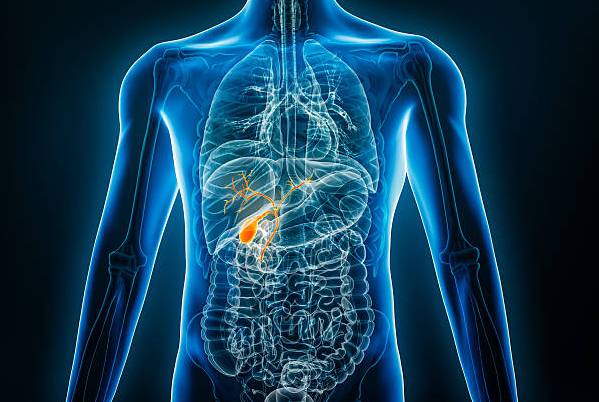
The gallbladder is a storage organ for bile, a substance produced by the liver. Bile is released into the small intestine when dietary fat is consumed, where it emulsifies fats so they can be digested and absorbed. But bile does much more than help digest fat.
Bile is also a primary route for eliminating metabolic waste. This includes excess cholesterol, fat-soluble toxins, and used hormones such as estrogen. Without proper bile flow and elimination, these substances can be reabsorbed back into circulation.
In a healthy system, bile is produced by the liver, stored and concentrated in the gallbladder, released into the intestine, and eventually excreted. However, that final step is not guaranteed.
Enter Enterohepatic Circulation
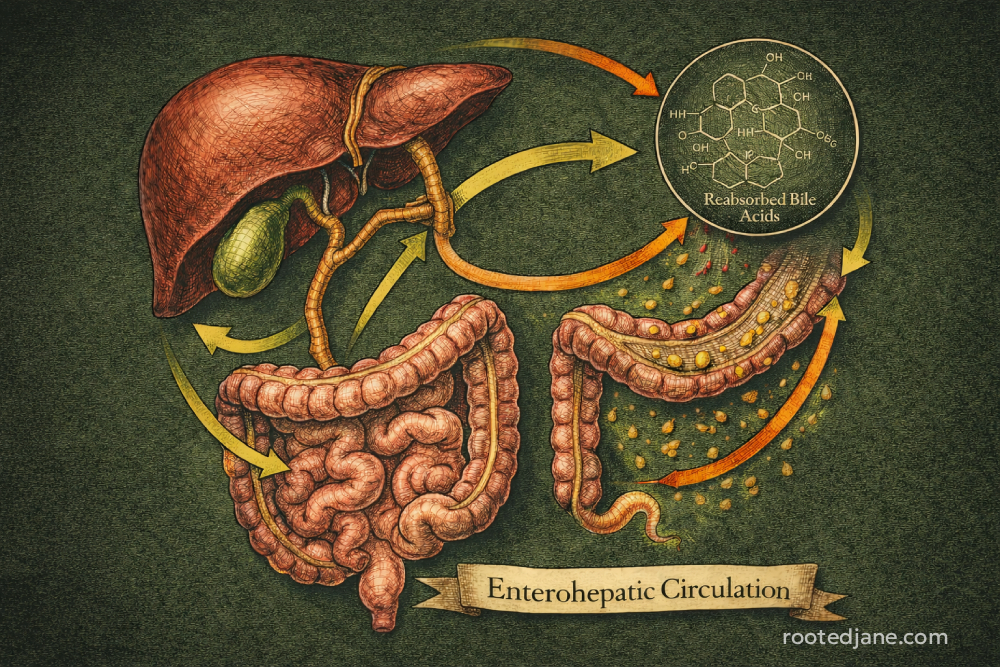
The body is extremely efficient. Roughly 90 to 95 percent of bile acids are normally reabsorbed in the terminal ileum and sent back to the liver through a process known as enterohepatic circulation. From an evolutionary standpoint, this recycling conserves resources.
The downside is that bile often carries with it metabolic waste, environmental toxins, and hormones that the liver is actively trying to eliminate. When bile is recycled repeatedly, those compounds can be reintroduced into circulation again and again.
This is where Karen Hurd’s work focuses. She teaches that excessive bile recycling contributes to systemic toxicity, hormone imbalance, gallbladder congestion, and impaired fat digestion.
How Soluble Fiber Changes Bile Recycling
Soluble fiber has a unique ability to bind to bile acids in the intestine. When soluble fiber binds bile, it prevents reabsorption and escorts bile out of the body through the stool.
When bile is eliminated rather than recycled, the liver must synthesize new bile. To do this, the liver pulls cholesterol from the bloodstream, which is one reason bile-binding fibers have long been associated with cholesterol reduction.
According to Karen Hurd, this process also supports detoxification, hormone balance, and gallbladder function by ensuring that used bile does not endlessly circulate.
The Bean Protocol Explained
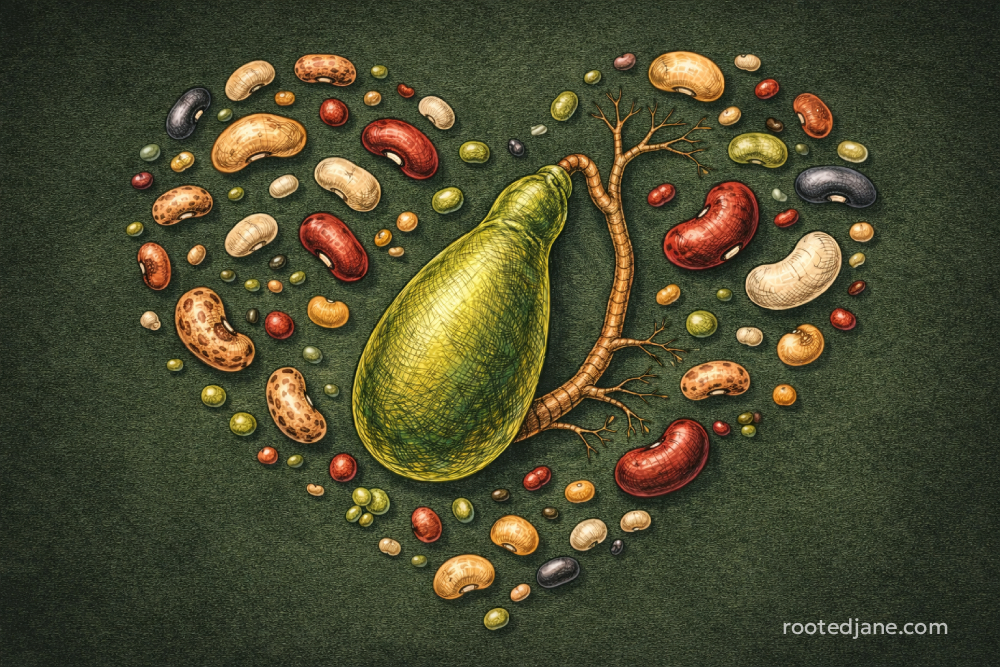
Karen Hurd’s Bean Protocol centers on one primary food category: beans. Beans are rich in soluble fiber, particularly when cooked and prepared properly.
Hurd generally recommends consuming one half cup of beans three times per day. This consistent intake supplies enough soluble fiber to bind bile throughout the day.
For individuals with more severe symptoms or compromised digestion, she recommends eating beans between meals rather than with meals. The reason is strategic. If beans are eaten alongside dietary fat, the soluble fiber may preferentially bind to the fat in the meal rather than to bile acids.
By consuming beans between meals, bile binding becomes the primary action.
Beans vs. Psyllium Husk
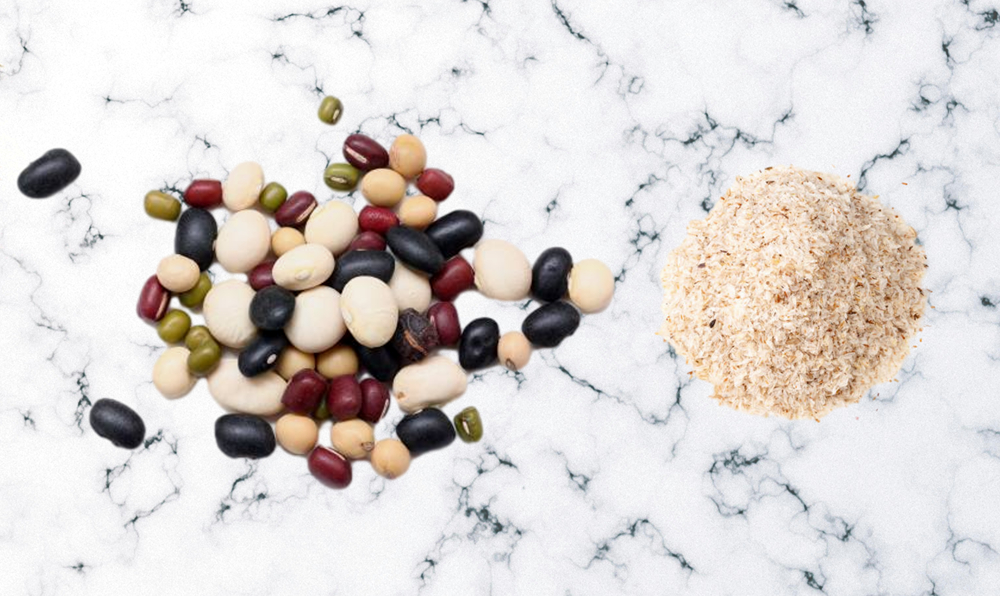
While beans are the cornerstone of the protocol, Karen Hurd has also spoken extensively about psyllium husk as an alternative source of soluble fiber.
Psyllium is nearly pure soluble fiber and has a powerful bile-binding effect. For individuals who cannot tolerate beans initially, psyllium may be used instead. It is also sometimes used as a short-term therapeutic tool when rapid bile binding is needed. View my post on psyllium husk for gallbladder health.
Hurd emphasizes that psyllium must be taken with sufficient water and introduced gradually. Because of its potency, even small amounts can significantly alter digestion.
How Karen Hurd Discovered the Bean Protocol and the Power of Soluble Fiber
The Bean Protocol did not originate as a trend or theory. It was born out of crisis.
In the 1980s, Karen Hurd’s young daughter was poisoned by a pesticide. Doctors reportedly gave her just six weeks to live. Conventional medicine had no solution, and Hurd began researching relentlessly.
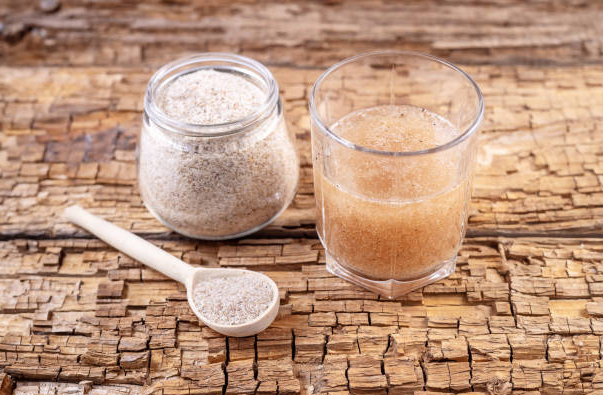
Through her studies, she discovered the role of bile in toxin elimination and learned how soluble fiber could interrupt bile recycling. Acting on this knowledge, she administered psyllium husk to her daughter, who was only about a year and a half old at the time.
Within weeks, her daughter’s health began to turn around. Over time, she recovered fully.
This experience became the foundation of Karen Hurd’s life work and ultimately evolved into what is now known as the Bean Protocol.
Why Gallbladder Support Matters Beyond Digestion
Gallbladder dysfunction does not only affect digestion. Poor bile flow can contribute to fatigue, skin issues, hormone imbalance, and blood sugar instability.
Bile plays a role in activating certain digestive enzymes, regulating gut motility, and maintaining microbial balance in the intestine. When bile is thick, sluggish, or overly recycled, downstream effects can be felt throughout the body.
By supporting regular bile elimination, the Bean Protocol aims to restore a foundational detox pathway rather than chasing symptoms.
Scientific Context for Bile Binding
The concept of bile binding is not fringe. Bile acid sequestrants have been used pharmaceutically for decades to lower cholesterol. Soluble fibers such as psyllium have also been studied for their ability to reduce LDL cholesterol and improve metabolic markers.
For readers interested in the research, the following resources provide scientific context:
Karen Hurd’s Official Resources
For those who want to hear the protocol explained directly, Karen Hurd shares extensive educational material through her official website:
There are also wonderful interviews with Karen Hurd on Youtube, and this is where I learned most of the information about the bean protocol and how it works!
Important Considerations
The Bean Protocol is not a replacement for medical care, and individual tolerance varies. Introducing large amounts of soluble fiber too quickly can cause bloating or discomfort, especially in those with compromised digestion.
Hurd often emphasizes gradual introduction, proper hydration, and consistency rather than intensity.
My Experience Trying the Bean Protocol for Gallbladder and Bile Health

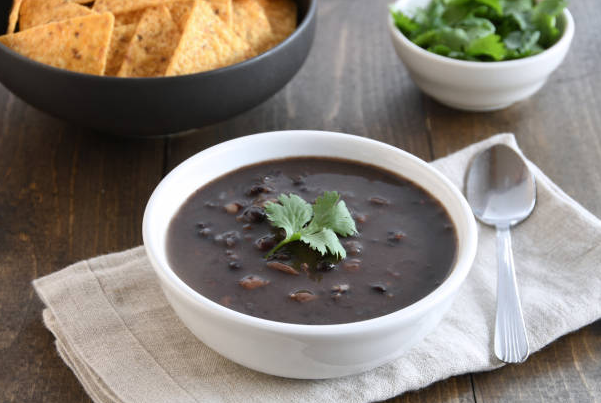
I am personally trying the Bean Protocol to support gallbladder and bile flow health, beginning with a small and gradual approach. Currently, I am consuming about two to three tablespoons of beans, using black beans, approximately two hours after meals. This timing aligns with Karen Hurd’s recommendation to avoid having the soluble fiber bind primarily to dietary fat, allowing it to more effectively bind bile acids instead.
I’ve found that the 365 brand refried black beans are great because they are already mashed up and easier on digestion and contain only beans, water and salt! And, canned beans save a lot of prep time. I’ve found that canned beans tend to be easier on my digestion, even when I’ve taken the time to cook dry beans thoroughly in the past!
So far, I have noticed a subtle but distinct sense of lightness after consuming the beans, particularly in digestion and overall comfort. While it is still early in the process, this initial response has been encouraging and suggests that bile movement and elimination may already be improving. I am intentionally starting slowly to allow my digestive system to adapt, as introducing soluble fiber too quickly can sometimes cause discomfort.
I plan to continue this protocol consistently and observe changes over the coming months, including digestion, post-meal symptoms, and overall metabolic balance. I may also experiment with adding psyllium husk at a later stage to compare its effects with beans alone. This article will be updated with longer-term observations as I gain more experience with the protocol.
Final Thoughts
Karen Hurd’s Bean Protocol reframes gallbladder health through the lens of bile management rather than symptom suppression. By reducing bile recycling and encouraging elimination, the protocol aims to lighten the liver’s toxic load and restore metabolic balance.
Whether approached through beans, psyllium husk, or a combination of both, the central idea remains the same: when bile leaves the body efficiently, the entire system benefits.
Sometimes the most powerful interventions are not exotic or expensive. Sometimes they come in the form of a half cup of beans.


Leave a Reply