
Sunflower Lecithin Benefits for Digestion, Liver, and Gallbladder Health
 Sunflower lecithin has become a popular supplement in wellness and functional health communities due to its role in digestion, cellular health, liver function, and gallbladder support. While lecithin is often described simply as a fat emulsifier, its influence in the body goes much deeper. Lecithin plays a structural role in cell membranes, supports bile composition, and contributes to how the body processes and transports fats.
This article explores what sunflower lecithin is, how it works in the body, its potential benefits, and why it is frequently discussed in connection with gallbladder health from both clinical research and functional medicine perspectives.
What Is Sunflower Lecithin?

Sunflower lecithin is a naturally occurring mixture of phospholipids extracted from sunflower seeds. Phospholipids are specialized fats that form the outer membrane of every cell in the human body. These membranes regulate what enters and exits cells, allowing nutrients in and waste products out.
The primary phospholipid found in lecithin is phosphatidylcholine. Phosphatidylcholine is a major source of choline, an essential nutrient required for nervous system signaling, liver function, and fat metabolism. Because the body cannot produce enough choline on its own, dietary sources are critical.
Sunflower lecithin is often chosen over soy lecithin because it is naturally non GMO and free from soy related allergens. It is typically extracted using mechanical methods rather than chemical solvents, which is appealing to those seeking minimally processed supplements.
How Sunflower Lecithin Works in the Body

Once consumed, sunflower lecithin is broken down into individual phospholipids and fatty acids. These components are absorbed and distributed throughout the body where they serve several essential functions.
Phospholipids are incorporated into cell membranes, helping maintain flexibility and integrity. Healthy cell membranes are critical for efficient cellular communication, hormone signaling, and nutrient exchange.
Choline derived from lecithin is used to synthesize acetylcholine, a neurotransmitter involved in memory, focus, mood regulation, and muscle control. Choline is also required for the transport of fats from the liver into the bloodstream.
Lecithin’s emulsifying properties allow fats and water to mix. This is particularly important in digestion because dietary fats must be emulsified before digestive enzymes can break them down and before fat soluble vitamins can be absorbed.
Digestive Health Benefits

Sunflower lecithin supports digestion by improving the emulsification of dietary fats. When fats are properly emulsified, pancreatic enzymes can more effectively break them down into fatty acids and glycerol. This process reduces digestive discomfort such as bloating, heaviness, or nausea after meals.
Lecithin also contributes to the production and quality of bile. Bile is released from the gallbladder into the small intestine when fat is consumed. Without adequate bile flow or proper bile composition, fat digestion becomes inefficient.
Some research on phosphatidylcholine suggests it may help support the intestinal mucus barrier. This protective layer lines the gastrointestinal tract and helps shield intestinal cells from irritation and inflammation. Supporting this barrier may be beneficial for individuals with digestive sensitivity.
Liver Support and Fat Metabolism

The liver plays a central role in fat metabolism, detoxification, and bile production. Choline is essential for exporting fats from the liver. When choline intake is insufficient, fats can accumulate within liver cells.
Sunflower lecithin provides a bioavailable source of choline that supports normal liver function and fat transport. This is one reason lecithin is frequently included in liver support supplements and metabolic health protocols.
By assisting the liver in processing fats efficiently, lecithin indirectly supports overall energy metabolism and lipid balance.
Cholesterol Balance and Cardiovascular Health
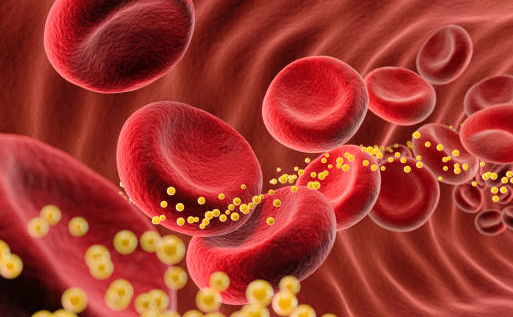
Lecithin influences how cholesterol is transported and metabolized in the body. Cholesterol is carried through the bloodstream in lipoproteins. Lecithin helps package cholesterol so it can be safely transported and utilized or excreted.
Some studies suggest lecithin supplementation may support a healthier balance between LDL and HDL cholesterol. This effect appears to be related to lecithin’s role in bile production and fat emulsification rather than directly altering cholesterol synthesis.
Because bile is one of the primary pathways for cholesterol elimination, supporting bile quality may contribute to long term cholesterol balance.
Brain and Nervous System Support

Choline is a critical nutrient for brain health at all stages of life. Acetylcholine, the neurotransmitter synthesized from choline, plays a role in learning, memory formation, attention, and muscle coordination.
Phospholipids from sunflower lecithin are also structural components of brain cells. They support both the physical integrity of neurons and the communication between them.
For this reason, lecithin is often discussed in the context of cognitive health and neurological support.
Sunflower Lecithin and Gallbladder Health
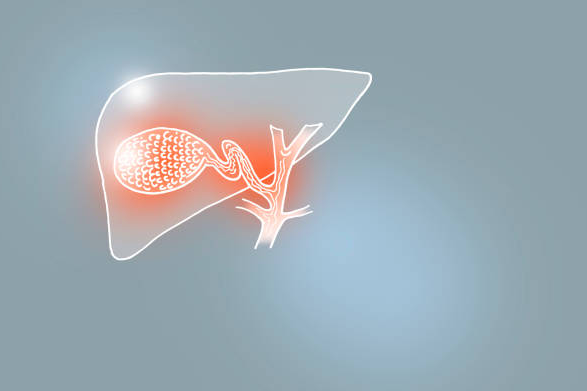
The gallbladder stores bile produced by the liver and releases it into the small intestine during digestion. Bile is composed of bile salts, cholesterol, and phospholipids, primarily lecithin. These components must remain in a precise balance to keep bile fluid.
When bile contains too much cholesterol relative to bile salts and phospholipids, cholesterol can crystallize. Over time, these crystals can grow into gallstones or contribute to gallbladder sludge.
Lecithin plays a critical role in preventing this process by keeping cholesterol dissolved within bile.
Clinical Research on Lecithin and Gallstones
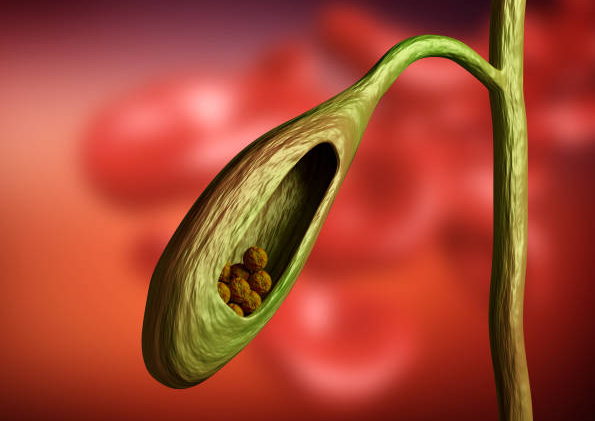
Clinical research has explored the role of lecithin in gallstone dissolution when combined with bile acids. In a published study, patients receiving lecithin along with cholic acid experienced reductions in gallstone size and improvements in bile composition.
The researchers observed a reduction in bile cholesterol saturation, indicating that lecithin helped stabilize bile chemistry and reduce stone forming potential.
You can read the original study here:
PubMed: Dissolution of gallstones with lecithin and bile acids
Gallbladder Sludge vs Gallstones

Gallbladder sludge consists of microscopic cholesterol crystals, calcium salts, and thickened bile. It is often considered a precursor to gallstones. Sludge may interfere with gallbladder emptying and contribute to digestive symptoms.
Because lecithin helps thin bile and improve emulsification, functional medicine practitioners often include it in protocols aimed at improving bile flow and reducing sludge formation.
Functional Medicine Perspective on Gallbladder Support

In functional and integrative medicine, sunflower lecithin is viewed as a bile supporting nutrient rather than an aggressive gallstone treatment. Practitioners often emphasize improving bile quality and flow instead of forcing gallbladder contractions.
Lecithin is frequently combined with taurine, magnesium, bitters, or bile acids to support bile production, bile flow, and gallbladder emptying. This approach aims to gradually restore balance and reduce stagnation.
Many practitioners recommend taking lecithin with meals that contain fat, as fat intake naturally stimulates bile release.
How People Take Sunflower Lecithin
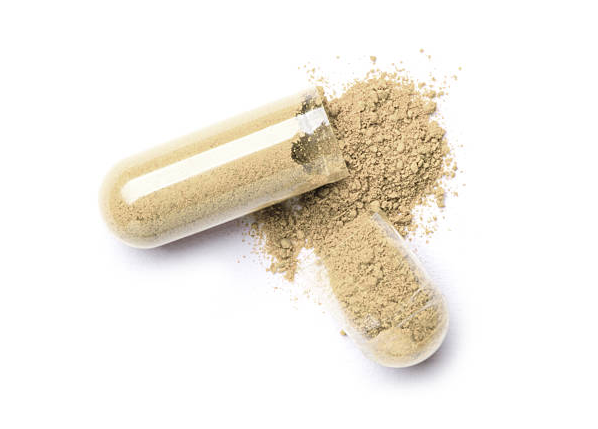
Sunflower lecithin is available in capsules, powders, granules, and liquids. Powdered forms can be added to smoothies or food, while capsules offer convenience and consistent dosing.
There is no official recommended daily intake. Dosage varies depending on individual goals and practitioner guidance. Many people begin with a low dose and increase gradually to assess tolerance.
Safety and Considerations

Sunflower lecithin is generally well tolerated. At higher doses, some individuals may experience digestive symptoms such as loose stools or mild gastrointestinal discomfort.
Those with known gallstones, gallbladder disease, or bile duct obstruction should consult a healthcare professional before using lecithin supplements.
For additional evidence based information, you can explore the following medical and research resources:
Healthline: Sunflower Lecithin Benefits
NIH Office of Dietary Supplements: Choline Fact Sheet
Final Thoughts

Sunflower lecithin supports fundamental processes in the body including digestion, liver function, bile balance, cellular health, and nervous system function. Its role in bile composition makes it especially relevant for individuals focused on gallbladder and digestive wellness.
While more research is needed to fully define its therapeutic role, both clinical studies and functional medicine experience highlight sunflower lecithin as a valuable nutritional tool when used thoughtfully and with professional guidance.



Leave a Reply