
Should You Try Methylene Blue? A Balanced Look at the Benefits and Risks
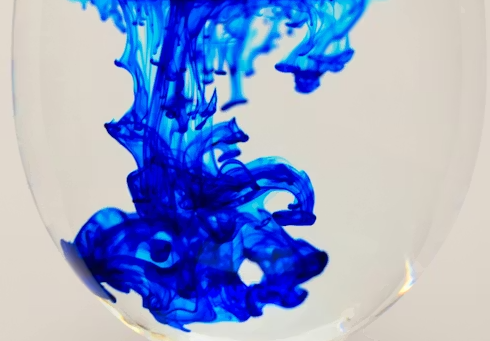
Methylene blue has become a trending topic in wellness and biohacking spaces, often discussed as a compound that may support brain health, energy, and even longevity. Some people feel strongly that it has changed how they think, feel, and function. Others, including many medical professionals, urge caution. After researching both sides, I’m personally choosing not to use methylene blue right now. This article is meant to explore what it is, why people are drawn to it, why others warn against it, and what I personally trust instead.
What Is Methylene Blue?
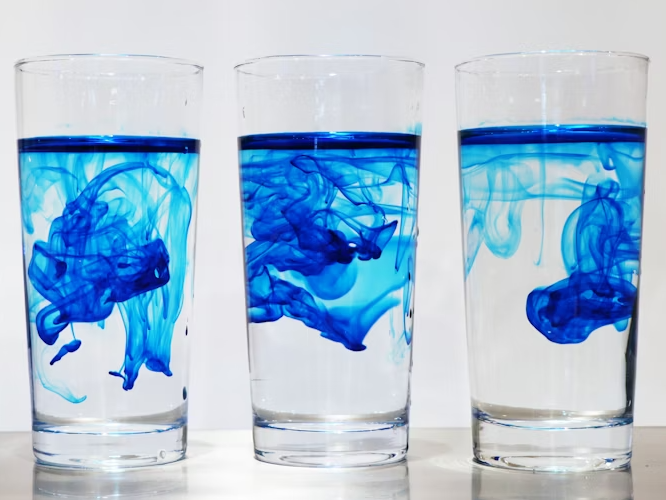
Methylene blue, also known as methylthioninium chloride, is a synthetic blue dye that has been used for well over a century in medicine, chemistry, and biological research. It was first developed in the late 1800s. It has legitimate medical uses and is FDA approved for treating a rare condition called methemoglobinemia, where red blood cells cannot carry oxygen properly. In clinical settings, methylene blue is administered in precise doses under medical supervision. Chemically, it functions as a redox agent, meaning it can both accept and donate electrons. This ability to shuttle electrons is central to its biological effects, particularly its impact on cellular energy systems and oxygen handling in the body. Because of these properties, methylene blue has long been studied and used in highly controlled medical settings, well before it ever entered wellness or biohacking conversations. Its vivid blue color also makes it useful as a staining agent, allowing clinicians and researchers to visually track tissues, cells, and biological processes.
The only use of methylene blue that is currently approved by the U.S. Food and Drug Administration is for the treatment of acquired methemoglobinemia, a rare and potentially life-threatening blood disorder in which red blood cells lose their ability to effectively carry oxygen. In this situation, methylene blue acts as an antidote by restoring the blood’s oxygen-carrying capacity, and it can be lifesaving when administered correctly. Beyond this approved indication, doctors also use methylene blue off-label in a variety of clinical and hospital settings. It is commonly used as a surgical dye or diagnostic aid to highlight specific tissues during procedures, including identifying cancerous tissue, polyps, lymph nodes, or parathyroid glands.
In critical care and cardiac surgery, it has been used to treat vasoplegic syndrome, a dangerous form of low blood pressure that does not respond to standard medications. Methylene blue has also been used as an antidote in certain poisonings, including cyanide and carbon monoxide exposure, and it has a long history as an antimalarial agent, with renewed interest due to rising drug resistance in some regions. In oncology settings, it has been used to treat or prevent ifosfamide-induced encephalopathy, a form of chemotherapy-related brain dysfunction. All of these uses occur under medical supervision, with precise dosing and monitoring, which is an important distinction when considering its growing popularity outside of clinical care.
You can read more about its approved medical use at WebMD. Outside of this approved use, methylene blue is increasingly being discussed as an off label compound for brain health, mitochondrial support, mood, and cognitive performance. These uses are not FDA approved, and the supplement form exists in a gray area of regulation.
What People Claim Methylene Blue Does

Supporters of methylene blue often describe it as a mitochondrial enhancer. The idea is that it helps cells, especially brain cells, produce energy more efficiently. People who like it claim improved focus, sharper thinking, and better mental endurance. Some also report improved mood, motivation, and resilience to stress.
Methylene blue has recently gained significant attention in wellness communities and among biohackers for its potential cognitive, anti-aging, and cellular support properties. People who experiment with it often describe subtle improvements in mental clarity, focus, and memory, suggesting it may help the brain feel more alert, resilient, and able to handle mental fatigue. Some users report enhanced creativity, faster problem-solving, and better learning retention, which they attribute to its support of mitochondrial function and cellular energy production.
Beyond cognitive effects, wellness enthusiasts talk about anti-aging benefits, such as protecting cells from oxidative stress, supporting healthy skin, reducing the visible signs of aging, and maintaining overall cellular vitality. Other commonly mentioned benefits include improved mood and emotional stability, increased physical energy and endurance, better sleep patterns, enhanced visual perception and clarity, and even mild neuroprotective effects that could theoretically help prevent age-related cognitive decline.
Some people also claim antimicrobial, antiviral, and anti-inflammatory effects, particularly in combination with light-based therapies, which may help combat certain bacteria, fungi, or viruses. While many of these claims are anecdotal and largely based on early lab and animal studies, they reflect the range of effects that users in the biohacking and wellness space associate with methylene blue. In longevity and biohacking communities, methylene blue is sometimes discussed as a compound that may reduce oxidative stress and support healthy aging. A general overview of these claimed benefits can be found at Drugs.com.
It is important to note that many of these benefits are based on early research, animal studies, or anecdotal reports rather than large, well controlled human trials. Experiences vary widely, and not everyone notices positive effects.
Why Some Experts Warn Against It

Despite the enthusiasm, there are real safety concerns. Methylene blue acts as a monoamine oxidase inhibitor, which means it interferes with serotonin metabolism. When combined with antidepressants or other serotonergic medications, this can raise the risk of serotonin syndrome. This is a serious condition that can involve agitation, rapid heart rate, fever, and neurological symptoms.
People with G6PD deficiency face another major risk. In these individuals, methylene blue can cause red blood cell breakdown, which can be dangerous. Side effects reported even in people without known conditions include headaches, dizziness, increased blood pressure, nausea, and confusion.
Harvard Health outlines several of these concerns in their overview, which you can read here.
Concerns About Buying Methylene Blue Online

One of my biggest hesitations is product quality. Methylene blue is commonly sold for aquariums and laboratory staining. This means it is widely available in forms that are not intended for human consumption.
On platforms like Amazon, many products claim to be pharmaceutical grade or supplement grade. However, user reports and independent testing discussions suggest that some products may be diluted, mislabeled, or not methylene blue at all. Some people report capsules that do not stain or produce expected effects, raising questions about what is actually in the bottle.
There are also concerns about fake reviews and suppressed negative feedback, which makes it difficult to confidently assess product safety. When a compound carries real medical risks, this lack of transparency is especially concerning.
Why I’m Personally Holding Off For Now

After weighing the benefits and risks, I’m choosing not to use methylene blue at this time. The lack of strong human evidence for many of its wellness claims makes me hesitant. The potential for serious drug interactions and genetic contraindications is another major factor.
On top of that, the uncertainty around product purity and sourcing makes it difficult to feel confident experimenting with it on my own. While I respect that others may choose differently, this is one area where caution feels appropriate for me.
Natural Alternatives to Methylene Blue

Many of the issues methylene blue claims to help with can be supported through well studied, natural approaches. For brain energy and cognitive clarity, consistent sleep, sunlight exposure, and balanced blood sugar are foundational. Supporting mitochondrial health through regular movement, especially walking and resistance training, has strong evidence behind it.
For mood and mental resilience, practices like nervous system regulation, time outdoors, adequate protein intake, and micronutrient sufficiency matter far more than any single compound. Polyphenol rich foods like berries, olive oil, and green tea also support oxidative balance without the risks associated with synthetic chemicals.
Beyond berries, olive oil, and green tea, there are many other antioxidant rich foods that can support cellular health and oxidative balance in a more gentle, food based way. Colorful vegetables like red cabbage, purple sweet potatoes, beets, and artichokes are especially rich in protective plant compounds. Dark leafy greens such as kale, Swiss chard, collards, and arugula provide carotenoids and flavonoids that support brain and metabolic health. Herbs and spices are also powerful sources, including turmeric, ginger, cinnamon, cloves, oregano, thyme, rosemary, sage, and parsley. Other antioxidant dense foods to consider include cacao or raw cocoa powder, pomegranate, cherries, plums, prunes, apples with the skin, citrus fruits like oranges and grapefruit, tomatoes, red bell peppers, onions, garlic, leeks, mushrooms, walnuts, pecans, hazelnuts, pumpkin seeds, sunflower seeds, and even small amounts of dark chocolate with minimal added sugar. Rotating a variety of these foods can provide broad antioxidant coverage without relying on isolated compounds or supplements.
A Fair Takeaway

Methylene blue is not meaningless hype, but it is also not a harmless supplement. It has real biological effects, which is exactly why caution is warranted. Some people feel it offers noticeable benefits, and ongoing research may clarify its role in the future.
For now, I’m choosing to focus on strategies that are time tested, evidence supported, and safer for long term use. As always, talk with a qualified healthcare provider before experimenting with compounds that affect brain chemistry or cellular function.
This content is for educational purposes only and is not medical advice.
Leave a Reply