
Do Gallbladder Symptoms Get Worse in the Winter?
Many people with gallbladder issues notice that their symptoms feel more intense or more frequent during colder months. While there is limited scientific research directly linking cold weather to gallbladder flare-ups, anecdotal evidence suggests that some individuals really do experience more discomfort when temperatures drop. This article explores why that might be true, both from a Western perspective and through the lens of Traditional Chinese Medicine, and offers practical tips for managing gallbladder health through the winter.
Not Widely Studied, Yet Commonly Reported

Current medical literature offers only a small amount of direct evidence tying cold weather to increased gallbladder symptoms. Most of what exists is anecdotal, meaning people report their experiences rather than formal scientific studies proving the connection. According to health resources that explore this topic, cold weather may indirectly influence gallbladder discomfort by affecting digestion, diet, physical activity, and the body’s stress response to the cold. People often note that upper right abdominal pain, bloating, and indigestion seem worse in colder climates or during winter months, even though causal research is limited.
These anecdotal reports might be rooted in how our bodies respond to cold. In cold weather, blood vessels constrict to preserve core temperature. This vasoconstriction can reduce blood flow to peripheral tissues, including organs in the abdominal area, potentially slowing gallbladder contraction and digestion. When bile flow slows, it can become thicker and more stagnant, contributing to discomfort or even stones over time.
You can read more about how cold weather may affect gallbladder symptoms here:
Does Cold Weather Flare Gallbladder Symptoms?
Cold, Circulation, and Gallbladder Function

From a physiological viewpoint, the gallbladder’s ability to contract and release bile smoothly is important for digesting fats and preventing bile stasis. Vasoconstriction triggered by cold exposure may mean less efficient gallbladder function, which may lead to a buildup of bile and increased pressure within the organ. Those with existing gallstones or sluggish bile flow might notice this more, and this could explain why some people feel flare-ups when the temperature drops.
In addition to circulation changes, lifestyle shifts in winter can also make a difference. People tend to eat heavier, richer foods in the cold months, which require more bile to digest. Physical activity often decreases in winter, slowing digestion and overall metabolism. These factors combined with cold-induced physiological changes may make gallbladder symptoms feel worse, even if the cold itself is not the direct cause.
For a medical overview of gallbladder function and bile flow, see this resource from Cleveland Clinic:
Gallbladder Overview
Traditional Chinese Medicine Perspective
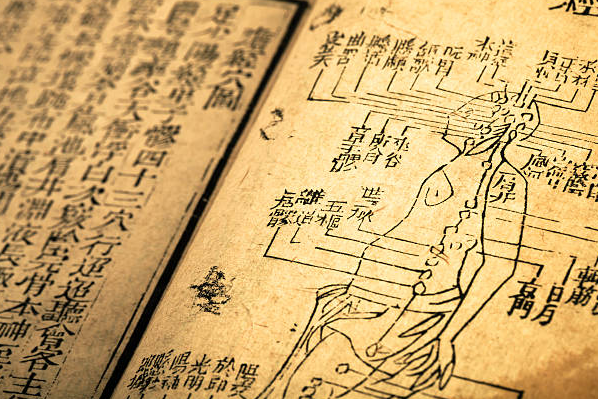
Traditional Chinese Medicine has long viewed cold as a factor that can hinder digestion and internal organ function. In Chinese medicine, cold is thought to constrict energy flow, or qi, particularly in the digestive system. Cold conditions are said to slow down the spleen and stomach’s ability to move nutrients and qi through the body. This slowed movement can create stagnation and discomfort, which in TCM terms might be described as blocked qi or internal cold obstructing normal function.
While gallbladder disorders are not described in modern anatomical terms in Traditional Chinese Medicine, the gallbladder is closely linked to the liver in Chinese medical theory. The liver is said to govern the smooth flow of qi throughout the body. When cold disrupts liver qi, the gallbladder’s ability to carry out its role in digestion is thought to be impaired. In this framework, warmth is essential for keeping qi flowing, especially in the digestive tract, and cold can be a pathogenic influence that contributes to stagnation.
Because cold is believed to restrict qi and slow digestion, Chinese medicine often emphasizes warming foods, beverages, and practices during cooler seasons. Warm soups, herbal teas with ginger, and avoiding very cold foods are commonly recommended to support digestion and bile movement. While these concepts are based on traditional systems rather than Western clinical trials, many people report that warmth feels soothing and supportive to their digestive system.
For more on how Traditional Chinese Medicine views cold and digestion, see this overview:
Traditional Chinese Medicine and Digestive Health
Warm Liquids and Digestion
Drinking warm liquids can be especially helpful for people prone to gallbladder discomfort. Warm water, herbal teas, and broths may help stimulate digestion and support bile flow. From a Western perspective, warmth can help relax muscles around the digestive tract and improve blood flow, which may reduce discomfort.
Avoiding very cold beverages in winter may matter more than most people realize. Some digestive health experts note that cold drinks can temporarily slow digestive motility. When digestion slows, bile movement may also slow, giving bile more time to sit in the gallbladder where stones can form or symptoms can intensify.
This concept is also discussed in digestive health articles such as:
Does Cold Water Affect Digestion?
Practical Tips for Winter Gallbladder Support
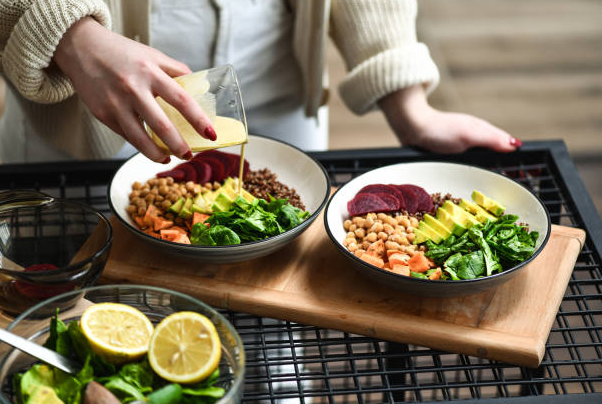
If you notice that your gallbladder symptoms worsen in winter, there are several lifestyle strategies that may help. Staying physically active supports circulation and digestion, even if activity is limited to indoor movement or short walks.
Choosing warm, balanced meals and avoiding very heavy or fried foods can reduce strain on bile production. Fiber-rich foods support digestion and bile movement, while warm beverages like ginger tea can help maintain internal warmth.
Hydration is also essential, but warm or room temperature fluids may be gentler on digestion during colder months. Keeping the body warm, especially around the abdomen, may also help reduce stress responses to cold exposure.
Conclusion
Although scientific research has not definitively proven that cold weather directly worsens gallbladder symptoms, many individuals report increased discomfort during winter. This may be due to changes in circulation, digestion, lifestyle habits, and the body’s response to cold stress. Traditional Chinese Medicine further supports the idea that cold can restrict digestive flow and that warmth is essential for healthy function.
Supporting gallbladder health in winter may involve staying warm, choosing nourishing foods, drinking warm liquids, and maintaining gentle movement. Listening to your body and combining both modern and traditional perspectives can help you manage symptoms more comfortably during colder months.

Leave a Reply
You must be logged in to post a comment.