
Cherries: Nature’s Sleep Aid
Cherries: The Natural Sleep Aid That Supports Melatonin

Quality sleep is foundational to overall wellness, yet many people struggle to fall asleep early or stay asleep through the night. While lifestyle habits and light exposure play a major role, nutrition is often overlooked. One food that has gained attention for its sleep-supportive properties is cherries. Often referred to as cherries the natural sleep aid, this fruit contains naturally occurring melatonin and compounds that support healthy sleep cycles.
Unlike synthetic sleep aids, cherries work with the body rather than overriding it. When incorporated thoughtfully into an evening routine, they may help support the body’s natural circadian rhythm and make falling asleep feel more effortless.
How Cherries Support Melatonin Production

Melatonin is a hormone produced by the pineal gland that signals to the body that it is time to sleep. Levels naturally rise in the evening as light exposure decreases. Cherries, especially tart cherries, are one of the few foods that naturally contain measurable amounts of melatonin.
Research has shown that consuming cherries or tart cherry juice can increase circulating melatonin levels and improve sleep duration and quality. In addition to melatonin itself, cherries also contain tryptophan, an amino acid involved in serotonin production. Serotonin is a precursor to melatonin, meaning it plays a role in the body’s ability to produce melatonin naturally.
Cherries also provide polyphenols and antioxidants that may help reduce oxidative stress and inflammation, both of which can interfere with healthy sleep patterns. This combination of direct melatonin content and supportive nutrients makes cherries a unique and gentle sleep-supportive food.
Cherries: The Natural Sleep Aid

Cherries the natural sleep aid appeal to those looking for non habit-forming ways to support rest. Unlike supplements, whole foods tend to have a more balanced effect on the body. Eating cherries in the evening may help cue the body that nighttime is approaching, especially when paired with reduced light exposure and calming routines.
Fresh cherries, frozen cherries, and unsweetened tart cherry juice are all commonly used. Whole cherries provide fiber, which slows digestion and creates a steadier metabolic response. Tart cherry juice offers a more concentrated source of melatonin but should be consumed in modest portions due to natural sugars.
How Many Cherries Should You Eat for the Melatonin Benefits?

A practical place to start for melatonin support is about 1 cup of cherries in the evening. Both sweet and tart cherries naturally contain melatonin, with tart varieties generally higher. On average, a cup of cherries provides roughly 2 to 5 micrograms of melatonin, depending on the variety and ripeness. For context, the human body is estimated to produce about 20 to 80 micrograms of melatonin over the course of a night, so cherries are not replacing what your body makes but may gently contribute to overall nighttime melatonin availability.
Tart cherry juice works in a similar way but is more concentrated. An 8 ounce serving of tart cherry juice or concentrate diluted with water can provide a comparable or slightly higher melatonin amount than a cup of whole cherries, along with additional sleep supporting compounds like tryptophan and polyphenols. Whether eaten whole or consumed as juice, cherries appear to work best as a supportive signal for sleep rather than a high dose melatonin source, making moderate, food based amounts like 1 cup of cherries or a small glass of juice a reasonable and balanced approach.
Other Natural Sources of Melatonin
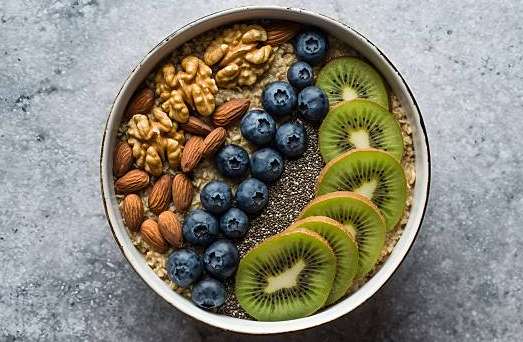
While cherries are one of the most well-known foods for melatonin, they are not the only option. Other foods that naturally contain melatonin or support its production include:
- Walnuts, which contain small amounts of melatonin and omega-3 fats
- Almonds, which provide magnesium that supports relaxation
- Oats, which contain melatonin and complex carbohydrates
- Kiwi, which has been studied for sleep quality and duration
- Milk, especially when consumed warm, which contains tryptophan
Combining these foods with cherries can create an evening snack that supports the body’s natural sleep rhythm without overstimulation.
Getting to Sleep Earlier Naturally

Melatonin production is closely tied to circadian rhythm. Even foods like cherries work best when lifestyle habits support the body’s internal clock. Going to bed earlier often requires shifting cues throughout the day rather than forcing sleep at night.
Morning light exposure is one of the most powerful tools for resetting circadian rhythm. Getting outside shortly after waking helps signal to the brain when the day begins. This makes it easier for melatonin to rise earlier in the evening.
Evening routines matter just as much. Dimming lights after sunset, avoiding bright screens, and creating a predictable wind-down routine can help the body recognize that it is time to rest. Pairing these habits with foods like cherries the natural sleep aid can enhance their effectiveness.
Sleep Hygiene and Evening Nutrition

Good sleep hygiene involves consistency and environment, but nutrition plays a supportive role. Eating large meals too close to bedtime can interfere with sleep, while going to bed hungry can increase stress hormones. A small, balanced evening snack that includes carbohydrates and sleep-supportive nutrients can be helpful.
Cherries work well in this context because they are light, easy to digest, and naturally aligned with nighttime biology. Combining cherries with a small amount of protein or healthy fat can help stabilize blood sugar and prevent nighttime awakenings.
Limiting caffeine after midday, reducing alcohol intake, and staying consistent with bedtime all reinforce the body’s natural melatonin rhythm. Over time, these habits work together to improve sleep quality without reliance on external sleep aids.
Final Thoughts on Cherries and Sleep
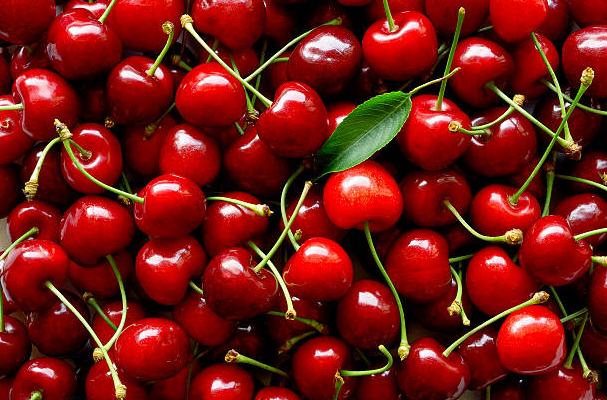
Cherries the natural sleep aid offer a simple and nourishing way to support melatonin production and improve sleep quality. Their unique combination of naturally occurring melatonin, antioxidants, and supportive nutrients makes them a valuable addition to an evening routine. While no single food can replace good sleep hygiene, cherries can be part of a broader approach to better rest.
By combining melatonin-rich foods with consistent routines, reduced light exposure, and mindful nutrition, it becomes easier to fall asleep earlier and wake feeling more refreshed.



Leave a Reply