
101 Science-Backed Benefits of Grounding
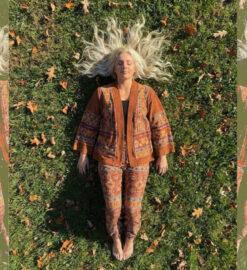
Grounding, also known as earthing, is the practice of connecting your body directly to the Earth’s surface. This can be as simple as walking barefoot on grass, sand, or soil. While it may sound like a wellness trend, grounding has been studied for its impact on inflammation, sleep, stress, and more.
Research published in the Journal of Inflammation Research suggests grounding may reduce inflammation by neutralizing free radicals with electrons from the Earth. Additional findings in the Journal of Environmental and Public Health explore its role in sleep and cortisol regulation.
Below are 101 potential benefits of grounding, supported by emerging science and holistic health understanding.
Inflammation and Pain Relief
- May reduce chronic inflammation
- Helps neutralize excess free radicals
- May decrease muscle soreness after exercise
- Can support joint comfort
- May reduce swelling
- Helps calm inflammatory skin conditions
- May ease autoimmune flare intensity
- Supports recovery after injury
- May decrease delayed onset muscle soreness
- Supports cellular repair processes
Studies suggest grounding may influence inflammatory markers and blood viscosity, which is discussed by the Journal of Alternative and Complementary Medicine.
Sleep and Circadian Rhythm
- May help regulate cortisol rhythms
- Supports deeper sleep cycles
- May reduce nighttime awakenings
- Helps calm racing thoughts before bed
- May support melatonin balance
- Can improve morning energy
- Supports circadian rhythm alignment
- May reduce jet lag symptoms
- Helps ease premenstrual sleep disturbances
- May shorten time to fall asleep
The Sleep Foundation highlights how light exposure and circadian alignment affect sleep. Grounding may support this rhythm naturally when combined with morning sunlight.
Stress and Nervous System Regulation
- May reduce stress hormone levels
- Helps activate the parasympathetic nervous system
- May lower perceived stress
- Supports emotional stability
- May reduce anxiety symptoms
- Helps regulate heart rate variability
- May lower blood pressure
- Supports vagus nerve tone
- May reduce irritability
- Encourages present moment awareness
Heart rate variability and grounding interactions are explored in research referenced by the HeartMath Institute.
Blood Flow and Cardiovascular Support
- May reduce blood viscosity
- Supports healthy circulation
- May improve oxygen delivery
- Supports endothelial function
- May reduce clotting tendency
- Helps balance autonomic tone
- May lower resting heart rate
- Supports capillary health
- May ease cold hands and feet
- Promotes overall cardiovascular resilience
Blood thinning and grounding effects were observed in studies published in PubMed Central.
Hormonal and Metabolic Balance
- May stabilize cortisol patterns
- Supports adrenal recovery
- May reduce stress related blood sugar spikes
- Supports thyroid function indirectly through stress reduction
- May ease PMS symptoms
- Helps regulate mood swings
- May support insulin sensitivity
- Encourages balanced energy levels
- May reduce cravings linked to stress
- Supports metabolic resilience
The relationship between stress hormones and metabolic health is outlined by the Endocrine Society.
Immune System Support
- May modulate immune response
- Supports balanced inflammatory signaling
- May reduce frequency of minor illness
- Helps calm overactive immune reactions
- May promote faster wound healing
- Supports lymphatic flow
- May improve resilience to environmental stressors
- Helps regulate oxidative stress
- May support gut immune balance
- Encourages systemic repair
Oxidative stress reduction is discussed in research indexed by the National Library of Medicine.
Mental Clarity and Cognitive Function
- May improve focus
- Supports mental clarity
- May reduce brain fog
- Encourages calm decision making
- May enhance creativity
- Supports memory retention
- May reduce mental fatigue
- Helps stabilize mood fluctuations
- May reduce stress induced forgetfulness
- Encourages mindfulness
Time in nature has been linked to cognitive restoration, as highlighted by the American Psychological Association.
Digestive and Gut Health
- May reduce stress related digestive upset
- Supports vagal tone for digestion
- May reduce bloating linked to cortisol spikes
- Helps regulate bowel movements
- May calm reflux triggered by stress
- Supports gut barrier integrity indirectly
- May ease stress induced IBS symptoms
- Encourages better nutrient absorption
- May reduce inflammation in the gut lining
- Supports overall digestive comfort
The gut brain connection is explained in detail by Harvard Health Publishing.
Skin and Appearance
- May improve skin tone
- Supports collagen integrity
- May reduce redness
- Helps calm acne flare ups
- May improve wound healing speed
- Supports healthy glow
- May reduce puffiness
- Helps balance oil production
- May ease eczema symptoms
- Supports anti aging processes
Emotional and Spiritual Wellbeing
- Encourages connection to nature
- Promotes gratitude
- May reduce feelings of isolation
- Supports emotional grounding during stress
- Encourages slow living
- May improve overall mood
- Supports meditation practices
- Encourages body awareness
- May enhance sense of peace
- Supports resilience during life transitions
- Promotes a deeper connection with the natural world
How to Practice Grounding
You can practice grounding by:
- Walking barefoot on grass or soil
- Sitting directly on the ground
- Swimming in natural bodies of water
- Gardening with bare hands
- Lying on sand at the beach
For those unable to go outside regularly, grounding mats are also studied, though direct contact with the Earth is ideal.
Final Thoughts
Grounding is simple, free, and deeply rooted in human history. While more large scale clinical trials are needed, emerging research and experiential reports suggest it may support inflammation reduction, stress regulation, sleep improvement, and overall vitality.
As always, grounding works best when combined with morning sunlight, balanced nutrition, stress management, and restorative sleep.
Sometimes the most powerful healing practices are the simplest. Take your shoes off. Step outside. Let the Earth do what it has always done.


Leave a Reply