
The Benefits of Cabbage Juice for Ulcers, Ulcerative Colitis, and Gastritis
 The benefits of cabbage juice for ulcers and digestive disorders, particularly stomach ulcers, gastritis, and inflammatory bowel conditions such as ulcerative colitis have been observed for decades as a natural remedy for these conditions. Long before modern medications were widely available, clinicians and nutrition researchers explored the healing potential of raw cabbage juice due to its unique nutrient profile and its apparent ability to support the integrity of the digestive lining.
In recent years, interest in cabbage juice has resurfaced as people seek gentle, food-based approaches to digestive health. While cabbage juice is not a cure and should not replace medical care, both historical studies and modern research suggest it may play a supportive role in healing and symptom management when used appropriately.
Why Cabbage Juice Supports Digestive Health

Cabbage belongs to the cruciferous vegetable family, which also includes broccoli, kale, and Brussels sprouts. These vegetables are rich in sulfur-containing compounds, antioxidants, and micronutrients that are known to support detoxification pathways, reduce inflammation, and protect tissues from oxidative damage.
Fresh cabbage juice contains significant amounts of vitamin C, vitamin K, folate, potassium, and various phytonutrients such as glucosinolates. When cabbage is chopped or juiced, glucosinolates are converted into biologically active compounds that influence inflammation and cellular repair. Research published in the National Institutes of Health database highlights how compounds from cruciferous vegetables can help regulate inflammatory pathways and support gut barrier integrity.
Cabbage juice is also known for containing S-methylmethionine, historically referred to as vitamin U. This compound gained attention in the mid twentieth century when researchers observed rapid healing of peptic ulcers in patients who consumed fresh cabbage juice daily.
What are Glucosinolates?
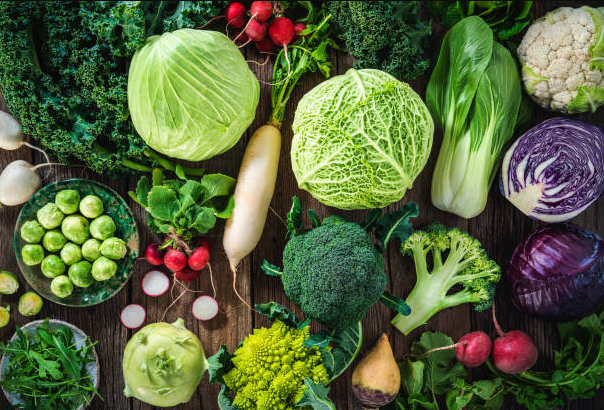
Glucosinolates are sulfur-containing compounds naturally found in cruciferous vegetables such as cabbage, broccoli, and kale. When cabbage is chopped, crushed, or juiced, these compounds are converted into biologically active substances like isothiocyanates and indoles, which have been shown to influence inflammation, oxidative stress, and cellular defense mechanisms in the gut.
Research suggests glucosinolate-derived compounds may help support the integrity of the gastrointestinal lining by modulating inflammatory signaling pathways and enhancing the body’s natural detoxification processes. In the context of digestive health, these compounds are of particular interest because they may help protect stomach and intestinal tissue from damage caused by acid, pathogens, and chronic inflammation, making them relevant for conditions such as gastritis, ulcers, and inflammatory bowel disease.
S-Methylmethionine: The Healing Power of Vitamin U

S-methylmethionine, historically referred to as vitamin U, is a naturally occurring compound found in high concentrations in raw cabbage and cabbage juice. It gained attention in the mid twentieth century after clinical observations showed that patients with peptic ulcers experienced unusually rapid healing when consuming fresh cabbage juice daily. Vitamin U is believed to support the repair and regeneration of the gastric mucosa by enhancing cellular turnover and strengthening the protective mucus layer of the stomach. While it is not classified as a true vitamin, S-methylmethionine appears to play a protective role in the digestive tract, particularly in shielding the stomach lining from acid-related injury and supporting recovery from ulceration and inflammation.
Cabbage Juice and Stomach Ulcers

Peptic ulcers develop when the protective lining of the stomach or small intestine is damaged, often due to excess stomach acid, infection with Helicobacter pylori, or long-term use of non-steroidal anti-inflammatory medications. Symptoms may include burning pain, nausea, bloating, and indigestion.
One of the earliest and most cited studies on cabbage juice and ulcers was conducted in the 1940s. In this clinical observation, patients with confirmed peptic ulcers consumed fresh cabbage juice daily and experienced significantly faster healing compared to conventional dietary treatment alone. Ulcers that typically required weeks to heal showed marked improvement within days.
The proposed mechanisms behind this effect include enhanced mucosal repair, increased mucus production, and protection of the stomach lining from acid-related damage. You can explore this early research in detail through the NIH archive, which documents the original findings on cabbage juice and ulcer healing.
Modern reviews, including those discussed by Medical News Today, note that while these early results are promising, large-scale contemporary clinical trials are limited. However, cabbage juice remains one of the few natural remedies with documented historical evidence for ulcer healing.
Human clinical observations documenting accelerated ulcer healing with fresh cabbage juice can be reviewed here:
https://pmc.ncbi.nlm.nih.gov/articles/PMC1643665/
How Cabbage Juice May Help Ulcers

- Supports regeneration of the stomach lining through S-methylmethionine
- Provides antioxidants that help reduce oxidative stress in gastric tissue
- Supplies vitamin C, which may support immune function and tissue repair
- May help soothe irritation due to its mild alkalizing properties
A modern overview of cabbage juice and its potential role in ulcer support is available here:
https://www.medicalnewstoday.com/articles/cabbage-juice-for-ulcers
Cabbage Juice for Gastritis
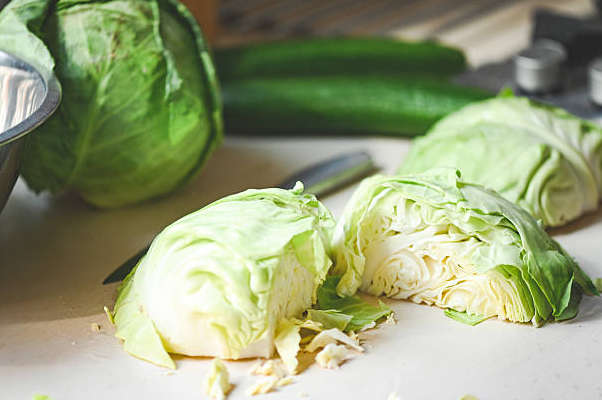
Gastritis refers to inflammation of the stomach lining and can be acute or chronic. Common causes include alcohol consumption, stress, medications, infections, and autoimmune conditions. Symptoms often overlap with ulcers and may include burning pain, nausea, vomiting, and early satiety.
Animal studies have shown that cabbage juice and cabbage-derived compounds can reduce gastric inflammation and protect against chemically induced damage to the stomach lining. Experimental research involving rats demonstrated that cabbage juice reduced inflammatory markers and minimized tissue injury caused by irritants such as alcohol and acid.
These findings suggest cabbage juice may help calm inflammatory processes in the stomach while supporting mucosal defense mechanisms. While human studies on gastritis specifically are limited, the anti-inflammatory and antioxidant properties of cabbage juice offer a plausible explanation for its traditional use in soothing irritated stomach tissue.
Individuals with gastritis often report improved tolerance when cabbage juice is consumed in small amounts on an empty stomach, allowing the juice to come into direct contact with the stomach lining before meals.
Experimental research on cabbage juice and its protective effects against gastritis can be found here:
https://www.researchgate.net/publication/264031488_Inhibitory_Effects_of_Cabbage_Juice_and_Cabbage-Mixed_Juice_on_the_Growth_of_AGS_Human_Gastric_Cancer_Cells_and_on_HCl-Ethanol_Induced_Gastritis_in_Rats
Ulcerative Colitis and the Potential Role of Cabbage Juice
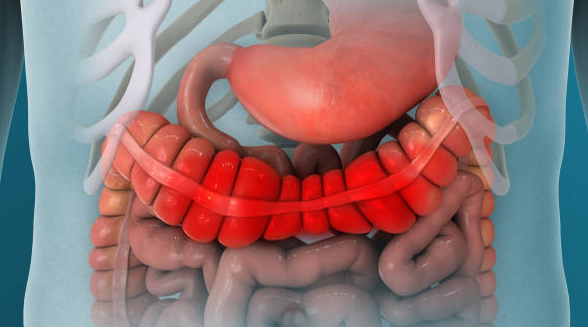
Ulcerative colitis is a chronic inflammatory bowel disease characterized by inflammation and ulceration of the colon. Management typically includes medication, stress reduction, and careful dietary choices. While no single food can treat ulcerative colitis, dietary patterns rich in anti-inflammatory plant compounds are often encouraged.
Cruciferous vegetables have been studied for their impact on gut health, particularly their ability to modulate inflammation and influence the gut microbiome. Research involving animal models of colitis has shown that red cabbage juice improved gut barrier function, increased beneficial bacteria, and reduced disease severity.
These effects are believed to be linked to polyphenols, anthocyanins, and sulfur-containing compounds that help regulate immune responses in the gut. Studies published in peer-reviewed journals accessible through the NIH database provide insight into how cabbage-derived compounds may influence colitis-related inflammation.
That said, tolerance to cabbage juice varies significantly among people with ulcerative colitis. Some individuals tolerate it well during remission, while others may experience gas or discomfort, particularly during active flares. For this reason, cabbage juice should be introduced cautiously and tailored to individual tolerance.
Research examining the effects of cabbage juice on colitis models and gut barrier integrity is available here:
https://pmc.ncbi.nlm.nih.gov/articles/PMC10778654/
Recommended Amounts and How to Use Cabbage Juice

There is no universal dosage for cabbage juice, but traditional protocols and modern recommendations offer general guidance. It is always best to start with small amounts and gradually increase based on tolerance.
- Begin with 4 to 8 ounces per day to assess digestive response
- Therapeutic protocols for ulcers have historically used up to 32 ounces daily, divided into multiple servings
- For best results, consume cabbage juice 20 to 30 minutes before meals
- Typical duration ranges from one to two weeks, with breaks as needed
Fresh juice is preferred, as many beneficial compounds degrade quickly after preparation. Juicing green cabbage is most common, though some people blend green and red cabbage for additional polyphenols. Recipes and preparation tips can be found through resources such as Healthy Taste of Life and Biology Insights.
Practical guidance on timing, preparation, and traditional cabbage juice protocols can be found here:
https://biologyinsights.com/when-is-the-best-time-to-drink-cabbage-juice-for-an-ulcer/
Who Should Use Caution

While cabbage juice is generally safe, certain individuals should exercise caution. People with thyroid disorders should be mindful of raw cruciferous vegetables due to their goitrogen content. Those taking blood-thinning medications should consider the vitamin K content of cabbage.
Some individuals may experience bloating or gas, particularly if consuming large amounts too quickly. Reducing the serving size or lightly steaming cabbage before juicing may improve tolerance.
People with severe digestive symptoms or diagnosed gastrointestinal conditions should always consult a healthcare professional before beginning any therapeutic dietary protocol.
Final Thoughts

Cabbage juice has a unique place in the history of nutritional therapy for digestive health. Its use for ulcers is supported by early clinical evidence, while modern research continues to explore its anti-inflammatory and gut-protective properties. For gastritis and ulcerative colitis, cabbage juice may offer supportive benefits when used thoughtfully and in combination with medical care.
As with any natural approach, individual response varies. When introduced gradually and used appropriately, cabbage juice may serve as a valuable addition to a holistic digestive health strategy.


Leave a Reply