
The Benefits of Shilajit: Fulvic Acid, Energy, Gut Health, and Liver Support
 Shilajit is a sticky, mineral-rich substance traditionally sourced from high mountain regions such as the Himalayas, Altai, and Caucasus ranges. Used for centuries in Ayurvedic medicine, shilajit has gained renewed attention in modern wellness circles for its potential benefits related to energy, resilience, digestion, and overall metabolic health.
At its core, shilajit is valued for its unique composition of trace minerals, organic compounds, and especially fulvic acid. These components work together to support cellular function, nutrient absorption, and the body’s natural detoxification processes. While research is still emerging, both traditional use and modern studies suggest that shilajit may offer wide-ranging support when sourced and used properly.
What Is Shilajit?

Shilajit forms over centuries through the slow decomposition of plant matter compressed between layers of rock. Heat, pressure, and microbial activity transform this organic material into a resin rich in minerals and bioactive compounds. When purified correctly, shilajit contains more than 80 trace minerals in ionic form, along with humic substances such as fulvic acid and humic acid.
Unlike isolated supplements, shilajit functions as a complex substance rather than a single compound. This complexity is one reason it has been valued in traditional systems of medicine as a rejuvenating substance that supports balance rather than targeting only one system.
What Is Fulvic Acid?
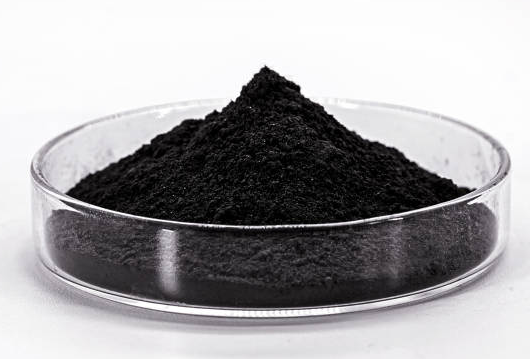
Fulvic acid is one of the most important active components in shilajit and plays a central role in many of its proposed benefits. Fulvic acid is a naturally occurring organic acid found in soil, sediment, and decomposed plant material. It forms during the breakdown of organic matter and acts as a carrier molecule in nature, helping transport minerals and nutrients into plants.
In the human body, fulvic acid is believed to function in a similar way. It can bind to minerals and trace elements, improving their solubility and absorption at the cellular level. Because fulvic acid has a very small molecular size, it is able to cross cell membranes easily, delivering nutrients directly into cells.
Fulvic acid also exhibits antioxidant properties, meaning it can help neutralize free radicals that contribute to oxidative stress. Oxidative stress is associated with aging, inflammation, and many chronic conditions. By helping regulate oxidative balance, fulvic acid may support cellular longevity and resilience.
Additionally, fulvic acid is known for its ability to bind to toxins and heavy metals. This chelating effect may support the body’s natural detoxification pathways, particularly in the liver and digestive tract. For this reason, fulvic acid is often studied for its role in environmental detoxification and gut health.
More information on fulvic acid and its biological properties can be found through clinical discussions such as those referenced by Cleveland Clinic:
Cleveland Clinic on Shilajit
Energy, Stamina, and Cellular Health

One of the most well-known traditional uses of shilajit is for supporting energy and stamina. Rather than acting as a stimulant, shilajit is thought to support energy production at the mitochondrial level. Mitochondria are the energy-producing structures within cells, and their efficiency plays a major role in how energized or fatigued a person feels.
Research suggests that shilajit may help improve mitochondrial function by supporting the electron transport chain and reducing oxidative stress within cells. This may explain why shilajit is often described as supporting sustained energy rather than causing short-term stimulation.
These effects have led to interest in shilajit for physical performance, recovery, and overall vitality. Some studies also explore its role in male reproductive health and testosterone support, although more human research is needed to establish clear clinical recommendations.
Benefits of Shilajit for Gut Health

The digestive system plays a central role in overall health, and shilajit’s fulvic acid content may offer specific benefits for gut function. Fulvic acid may help support the integrity of the gut lining by reducing oxidative stress and inflammation within the digestive tract. A healthier gut lining supports better nutrient absorption and helps maintain a balanced immune response.
Shilajit may also support a healthier gut environment by influencing microbial balance. While research is still developing, humic substances like fulvic acid have been studied for their potential to inhibit harmful pathogens while supporting beneficial microbes. This may be especially relevant for individuals dealing with digestive discomfort, bloating, or irregular digestion.
Additionally, shilajit’s mineral content may support digestive enzyme activity. Minerals such as magnesium and zinc play key roles in enzymatic reactions involved in digestion. By improving mineral availability, shilajit may indirectly support more efficient breakdown and absorption of food.
Because fulvic acid can bind toxins, shilajit may also help reduce the burden of environmental toxins within the gut, supporting smoother digestion and less irritation for sensitive individuals.
Benefits of Shilajit for Liver Health

The liver is the body’s primary detoxification organ, and shilajit’s antioxidant and chelating properties make it particularly interesting for liver support. Fulvic acid may help bind and escort toxins out of the body, reducing the workload placed on liver detox pathways.
Animal and preliminary human studies suggest that shilajit may help protect liver cells from oxidative damage by enhancing antioxidant enzyme activity. This protective effect may be valuable in environments where individuals are exposed to pollutants, heavy metals, or dietary stressors.
Shilajit’s mineral profile may also support liver enzyme function. Trace minerals are essential cofactors for many detoxification enzymes, and adequate mineral status is necessary for efficient liver metabolism. By improving mineral bioavailability, shilajit may help support balanced liver function over time.
For an overview of shilajit’s traditional and modern health applications, see this detailed resource:
Dr. Axe on Shilajit
Anti-Inflammatory and Antioxidant Properties

Chronic inflammation and oxidative stress are underlying factors in many modern health concerns. Shilajit’s fulvic acid content contributes to its antioxidant activity, which may help neutralize reactive oxygen species and reduce cellular damage.
Some research also suggests that shilajit may influence inflammatory signaling pathways, helping modulate the body’s inflammatory response. This may have implications for joint health, immune balance, and recovery from physical stress.
These properties help explain why shilajit has traditionally been used as a general rejuvenating substance rather than for a single isolated symptom.
Safety, Quality, and Sourcing Considerations

While shilajit offers promising benefits, quality and purity are critical. Raw shilajit can contain contaminants such as heavy metals or microbial toxins if not properly purified. It is essential to choose shilajit that has been purified and tested by third-party laboratories.
Because shilajit is highly bioactive, it is generally recommended to start with small amounts and monitor individual response. People who are pregnant, breastfeeding, or managing medical conditions should consult a healthcare professional before use.
A comprehensive overview of shilajit safety and composition can be found here:
Shilajit Composition and Safety
Conclusion
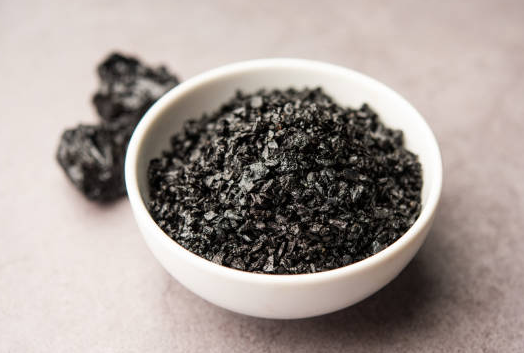
Shilajit is a unique, mineral-rich substance with a long history of traditional use and growing modern interest. Its high fulvic acid content helps explain many of its proposed benefits, including support for energy production, gut health, liver function, and antioxidant balance.
While more research is needed to fully understand its effects in diverse populations, shilajit remains a compelling example of how complex natural substances can support the body in interconnected ways. When sourced responsibly and used mindfully, shilajit may offer meaningful support for those seeking a more grounded and holistic approach to wellness.



Leave a Reply