
Psyllium Husk for Gallbladder Health: Cholesterol, Bile, Gallstones, and Digestion

Psyllium husk is a soluble fiber derived from the seeds of Plantago ovata. While it is often associated with digestive regularity, research suggests psyllium may play a meaningful supportive role in gallbladder health, particularly when it comes to cholesterol metabolism and bile composition. For individuals concerned about cholesterol gallstones, gallbladder removal, or bile-related digestive issues, psyllium husk is a simple dietary addition that may offer multiple benefits when used correctly.
Benefits of Psyllium Husk for the Gallbladder
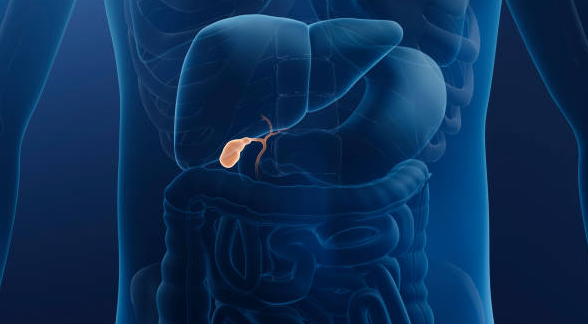
The gallbladder stores bile, a digestive fluid made primarily of bile acids, cholesterol, and phospholipids. Cholesterol gallstones form when bile becomes oversaturated with cholesterol and is unable to keep it dissolved. This imbalance allows cholesterol crystals to form and eventually develop into stones. Psyllium husk may help reduce this risk through several mechanisms.
Supports Lower Cholesterol Saturation in Bile

One of the most important protective actions of psyllium husk is its ability to reduce cholesterol levels in the body. Research shows that soluble fibers like psyllium can lower total and LDL cholesterol by interfering with cholesterol absorption and increasing its elimination. When less cholesterol circulates in the bloodstream, less is secreted into bile, which helps lower bile cholesterol saturation.
Animal studies have demonstrated that psyllium supplementation reduces cholesterol and bile acid concentrations in bile, creating an environment that is less favorable for cholesterol gallstone formation. By improving bile composition, psyllium may help maintain cholesterol in a dissolved state rather than allowing it to crystallize.
PubMed research highlights psyllium’s ability to inhibit cholesterol gallstone formation by altering bile chemistry and improving cholesterol metabolism.
Increases Bile Acid Excretion

Psyllium husk binds to bile acids in the intestine. When these bound bile acids are excreted in the stool rather than reabsorbed, the liver must produce new bile acids. To do this, the liver pulls cholesterol from the bloodstream and converts it into bile acids. This process lowers circulating cholesterol and reduces the cholesterol burden placed on bile.
This bile acid binding effect is a key reason psyllium is widely recognized for cardiovascular support. It also explains why psyllium may be beneficial for gallbladder health, since bile acid balance plays a direct role in gallstone risk.
Research published on ScienceDirect supports the role of soluble fibers in modifying bile acid metabolism and cholesterol handling in the digestive system.
Supports Healthy Bile Flow
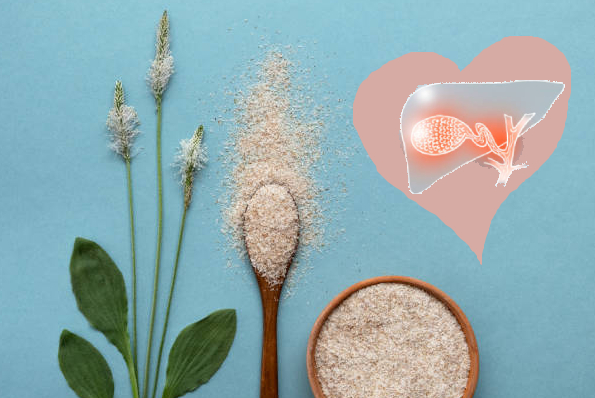
Fiber intake influences how bile moves through the digestive tract. Adequate soluble fiber helps prevent bile from becoming stagnant, which is another factor associated with gallstone formation. Regular bile flow supports normal gallbladder contraction and reduces the likelihood of bile thickening or sludge formation.
While psyllium is not a gallstone dissolver, it may serve as a preventative and supportive tool when combined with a balanced diet that emphasizes fiber, adequate protein, and healthy fats.
Benefits of Psyllium Husk After Gallbladder Removal
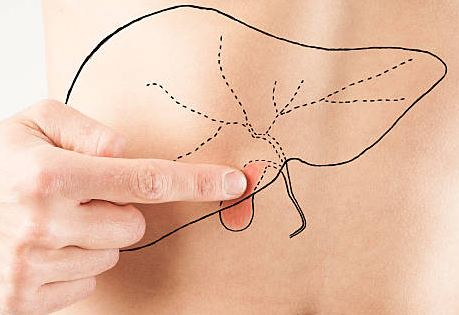
After gallbladder removal, bile is no longer stored and released in a controlled manner. Instead, bile flows continuously into the small intestine. For some individuals, this excess bile reaches the colon and causes irritation, resulting in loose stools or bile acid diarrhea.
Psyllium husk is often used as a first-line dietary approach for managing post-gallbladder digestive symptoms.
Helps Bind Excess Bile Acids

As a soluble fiber, psyllium absorbs water and forms a gel-like substance in the gut. This gel can bind excess bile acids in the colon, reducing their irritating effect on the intestinal lining. As a result, stools become more formed and bowel urgency may decrease.
This is particularly helpful for individuals who experience chronic diarrhea after gallbladder surgery, sometimes referred to as bile acid diarrhea.
Supports Stool Consistency Without Harsh Effects
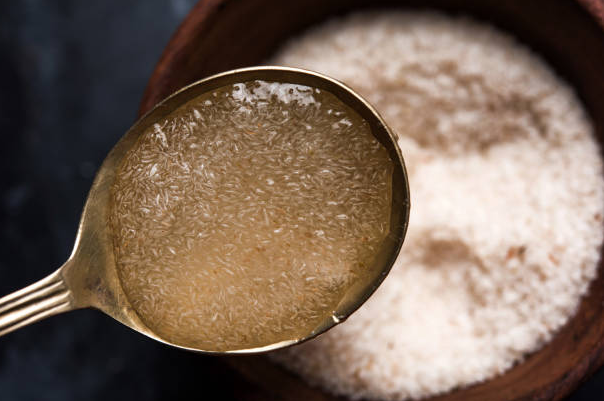
Unlike stimulant laxatives or harsh binders, psyllium works gently by normalizing stool consistency. It can help both diarrhea and mild constipation depending on the individual’s needs. This makes it a versatile option for digestive regulation following gallbladder removal.
Gradual introduction is important, starting with small amounts and increasing slowly to minimize bloating or discomfort.
Benefits of Psyllium Husk for Overall Digestion
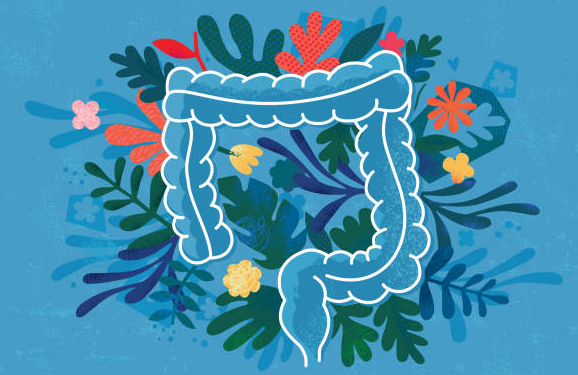
Psyllium husk supports digestive health throughout the gastrointestinal tract.
Promotes Regularity
Psyllium increases stool bulk and moisture, which supports regular bowel movements without straining. This can be especially helpful for individuals with sluggish digestion or inconsistent bowel habits.
Supports Gut Microbiome Balance
Soluble fibers act as fermentable substrates for beneficial gut bacteria. As psyllium is fermented in the colon, it produces short-chain fatty acids that help nourish colon cells and support intestinal barrier integrity.
Gentle for Sensitive Digestion
Compared to some fermentable fibers, psyllium is often better tolerated by people with sensitive digestion or irritable bowel symptoms when introduced slowly.
Benefits of Psyllium Husk for Blood Sugar Balance
Psyllium husk may also support stable blood sugar levels.
Slows Carbohydrate Absorption
The gel formed by psyllium slows gastric emptying and carbohydrate absorption. This leads to a more gradual rise in blood glucose after meals, which can be helpful for insulin sensitivity and overall metabolic health.
Supports Glycemic Control
Studies suggest that regular psyllium intake may modestly improve fasting blood glucose and post-meal glucose responses, particularly when taken before meals.
How to Use Psyllium Husk Safely
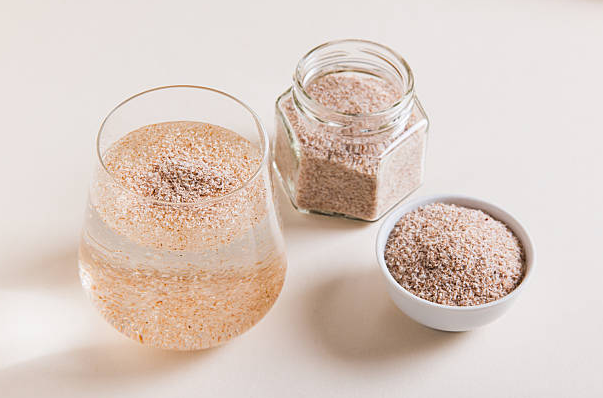
Start with approximately 5 grams, about one rounded teaspoon, once daily. Increase slowly as tolerated. Always mix psyllium with a full glass of water and drink immediately, as it thickens quickly.
Adequate hydration is essential. Insufficient fluid intake may cause bloating or discomfort.
Psyllium is not a cure for gallstones, but rather a supportive dietary strategy. Individuals with existing gastrointestinal conditions or a history of gallbladder surgery should consult a healthcare professional before starting.
Choosing the Best Form of Psyllium Husk
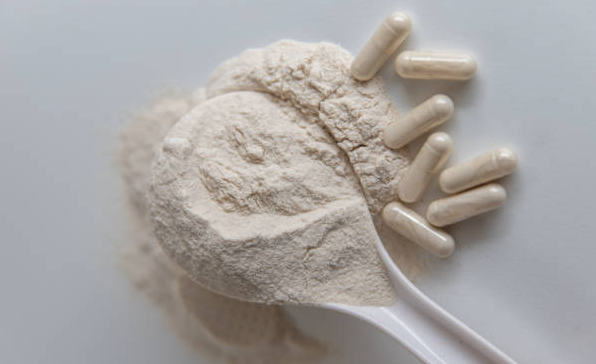
Psyllium husk is available in several forms, and while all can provide benefits, the form you choose can influence tolerability, effectiveness, and ease of use. For gallbladder health and bile-related digestion, the most important factor is psyllium’s ability to form a viscous gel and bind bile acids. Most forms can support this process when used correctly, but there are meaningful differences to consider.
Whole Psyllium Husk

Whole psyllium husk is the least processed form, consisting of intact husks that expand significantly when mixed with liquid.
Benefits: This form produces strong gel formation, which is important for binding bile acids and reducing cholesterol reabsorption. Because it absorbs water more gradually, it may be gentler for some individuals when introduced slowly. Whole husk can be effective for supporting bile acid excretion and cholesterol balance, both of which are central to gallbladder health and cholesterol gallstone prevention.
Drawbacks: The texture may be unpleasant for some people, and it must be mixed thoroughly and consumed immediately with ample water. It does not dissolve as smoothly as finer forms and may be harder to tolerate for those with highly sensitive digestion.
Best for: Individuals focused on gallbladder support, cholesterol management, and post gallbladder bile acid diarrhea who tolerate fiber well and are comfortable mixing it properly.
Psyllium Powder

Standard psyllium powder is ground more finely than whole husk while retaining the full soluble fiber structure.
Benefits: This is one of the most studied and commonly used forms. It forms a thick gel that effectively binds bile acids and supports cholesterol lowering. This makes it a strong option for gallbladder health, gallstone prevention, and managing loose stools after gallbladder removal. It is easier to mix than whole husk while maintaining excellent bile-binding capacity.
Drawbacks: Psyllium powder thickens quickly and must be consumed immediately after mixing. If taken without enough water or too rapidly, it may cause bloating or discomfort.
Best for: General gallbladder support, bile acid binding, cholesterol balance, blood sugar support, and overall digestive regulation.
Fine or Micronized Psyllium Powder
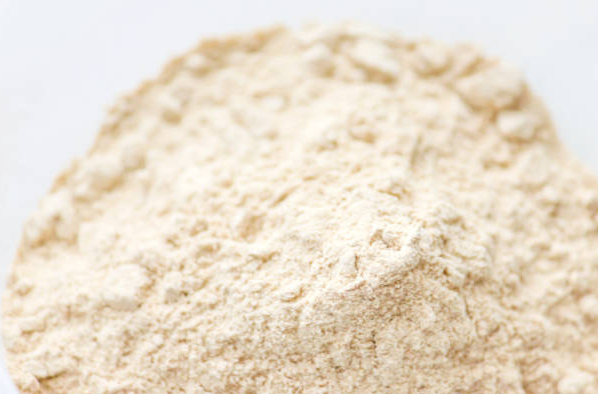
Fine or micronized psyllium is very finely ground, resulting in a smoother texture and easier mixing.
Benefits: This form blends more easily into water or soft foods and may be better tolerated by individuals sensitive to thicker textures. It still forms a gel and can bind bile acids, supporting gallbladder health and post gallbladder digestion. Some people find it causes less immediate bloating when introduced gradually.
Drawbacks: Because it is more finely processed, it may ferment more rapidly in the gut, which can increase gas in sensitive individuals. It also thickens quickly, so hydration remains essential.
Best for: Those who want gallbladder and bile acid support but prefer a smoother, more easily mixed fiber.
Psyllium Capsules
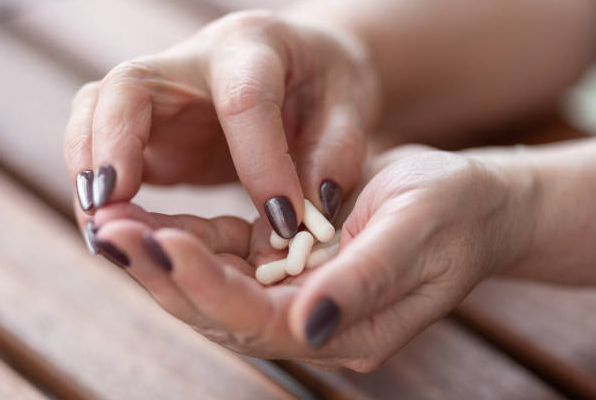
Psyllium capsules contain powdered psyllium in a convenient, tasteless form.
Benefits: Capsules eliminate texture concerns and are easy to incorporate into a routine. They can still support bile acid binding and cholesterol metabolism when taken in adequate amounts with sufficient water.
Drawbacks: Capsules typically provide smaller doses per serving, requiring multiple capsules to reach amounts used for gallbladder or bile acid support. Inadequate water intake may reduce effectiveness or cause discomfort. For post gallbladder bile acid diarrhea or cholesterol gallstone prevention, capsules may be less effective unless taken consistently at higher total doses.
Best for: Mild digestive support, maintenance use, or individuals who cannot tolerate powders.
Adding Psyllium to Foods
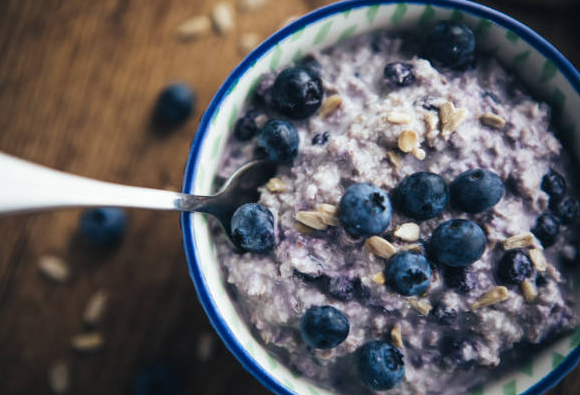
Psyllium can be mixed into foods such as oatmeal, yogurt, or smoothies.
Benefits: When sufficient liquid is present, psyllium added to food can still bind bile acids and support gallbladder health. It may also slow digestion further, helping with blood sugar balance.
Drawbacks: If added to foods without adequate fluid, psyllium may thicken excessively and cause discomfort. Heating psyllium can reduce its gel-forming ability, potentially lowering bile acid binding effects.
Best for: Supporting blood sugar control and general fiber intake, with careful attention to hydration.
Does the Form Matter for Gallbladder Benefits?
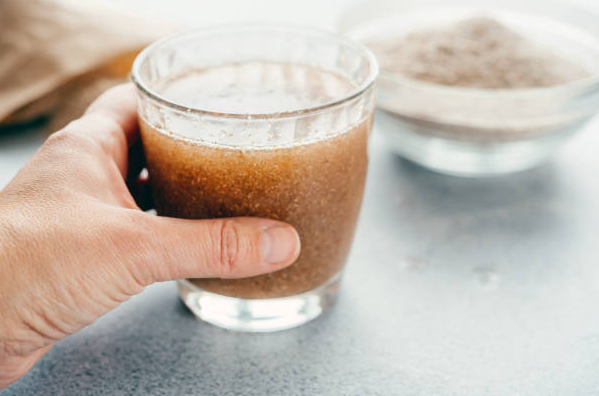
Research suggests that psyllium’s bile acid binding and cholesterol-lowering effects are driven primarily by its soluble fiber content and gel-forming capacity. Whole husk and powder forms tend to be most effective for gallbladder support, cholesterol gallstone prevention, and bile acid diarrhea after gallbladder removal. Capsules can still be helpful but often require higher total doses to achieve similar effects.
Regardless of form, psyllium should always be introduced gradually and taken with ample water to support digestion and minimize discomfort.
For additional research on psyllium’s effects on cholesterol metabolism and bile acid regulation, see this PubMed reference:
https://pubmed.ncbi.nlm.nih.gov/10837286/
Final Thoughts

Psyllium husk is a simple, affordable fiber with far-reaching benefits. For gallbladder health, its ability to lower cholesterol saturation in bile and support bile acid balance makes it especially relevant for cholesterol gallstone prevention. For those without a gallbladder, psyllium can help restore digestive comfort and stool consistency. When used thoughtfully and with proper hydration, psyllium husk can be a valuable tool for digestive and metabolic wellness.
This article is for educational purposes only and does not replace medical advice.

Leave a Reply